English
 日本語
日本語 한국어
한국어 Deutsch
Home > Author > Tang Ruihe — Regional Product Sales Manager > All-Around Heated Foot Warmer: Enclosed Comfort, Flexible Use, and Reliable OEM Manufacturing
Content
Cold feet can make an otherwise comfortable day feel unpleasant. Whether a person is working at a desk, reading in a bedroom, relaxing on a sofa, or living in a small space where heating the entire room is inefficient, focused warmth can provide a practical solution. The All-Around Heated Foot Warmer is designed for this purpose. It creates a soft, enclosed warming space around the feet, helping retain heat while delivering steady comfort with a compact and easy-to-use format.
Unlike open heating products that allow warmth to escape quickly, this electric foot warmer uses a wrap-around structure to surround the feet. Its enclosed design helps reduce heat loss and provides a more consistent warming environment. The product combines crystal velvet, sponge padding, adjustable temperature settings, overheat protection, and a lightweight foldable construction to support everyday use in homes, offices, dormitories, and other personal spaces.
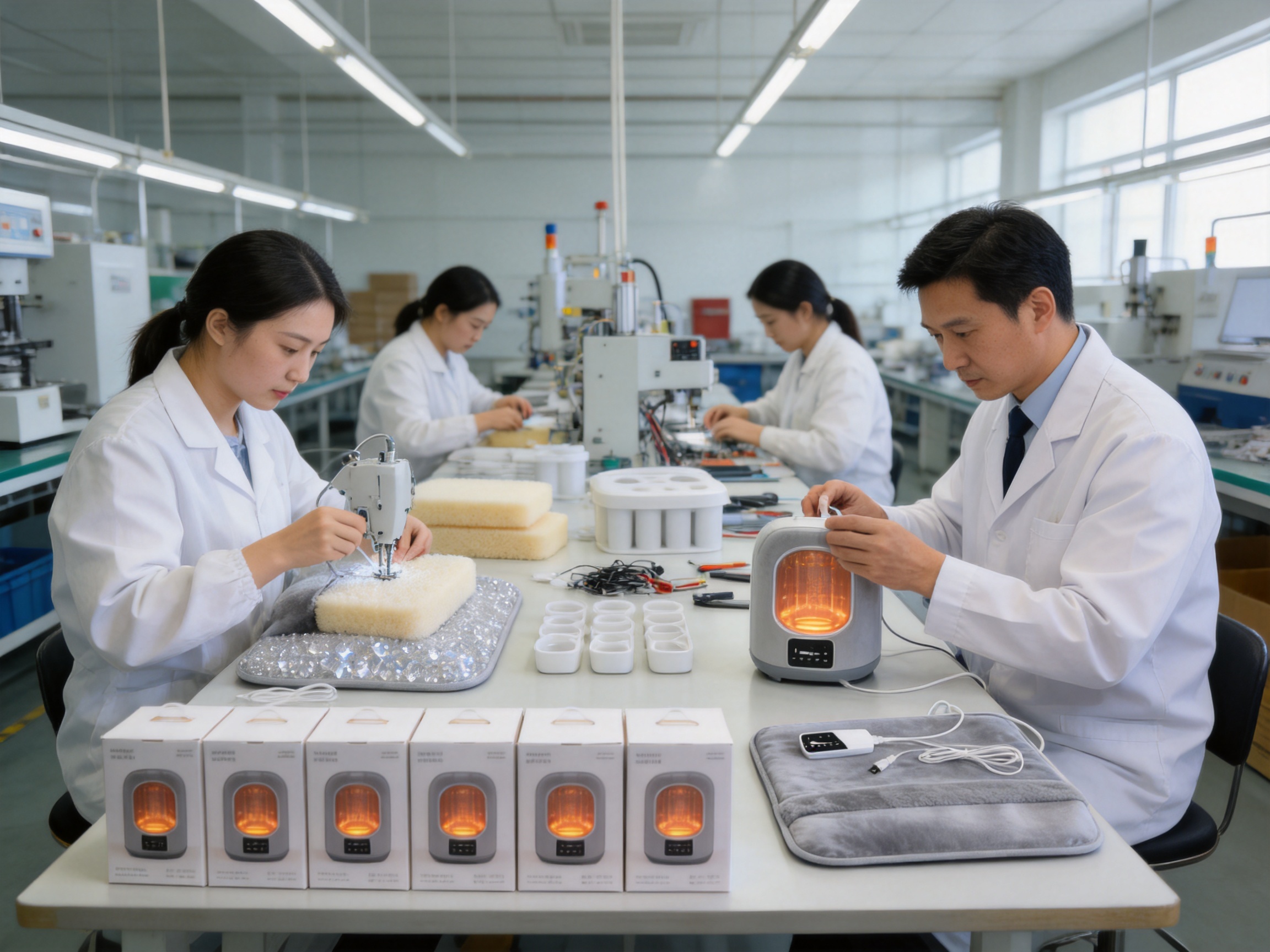
The product is manufactured by Ningbo Meeting Industrial & Trading Co., Ltd., an integrated household appliance manufacturer established in 2023. The company operates approximately 5,000 square meters of production facilities covering injection molding, sewing, assembly, and complete appliance manufacturing. This combination of capabilities supports closer control over product development, component coordination, production quality, customization, and delivery.
With a model number of MT-FW-001, the Heated Foot Warmer is positioned as more than a basic seasonal heating accessory. It is a versatile personal comfort appliance that can also be used to warm hands, knees, the waist, or the abdomen when applied appropriately. Its compact design, simple controls, low rated power consumption, and OEM and ODM flexibility make it suitable for household retailers, importers, distributors, promotional product companies, and brands seeking a focused warming product.
Heating an entire room is not always the most efficient or comfortable way to address cold conditions. In an office, for example, a worker may feel cold at the desk while the rest of the room is already adequately heated. In a dormitory or compact apartment, using a large heater can consume unnecessary energy and take up valuable space. A personal warming product allows users to direct heat where it is needed instead of warming an entire environment.
Foot warmth is especially important because the feet are often in contact with cold flooring or positioned beneath a desk where warm air circulation is limited. A person may wear socks or slippers and still experience discomfort during winter. A heated foot warmer creates a dedicated zone that surrounds the feet and helps maintain a more pleasant local temperature.
The product also meets the needs of consumers who want quiet, convenient comfort without the noise, airflow, and bulk associated with some room-heating appliances. It does not need to heat a complete room. Instead, it supports personal comfort while the user works, studies, watches television, reads, or rests.
For retailers, this type of product can serve several market segments. It may appeal to winter home-comfort buyers, office workers, students, older consumers seeking gentle warmth, travelers who spend time in cold accommodation, and households looking for practical seasonal gifts. Its multipurpose design also gives distributors more opportunities to present it as a general warming pad rather than a single-purpose foot accessory.
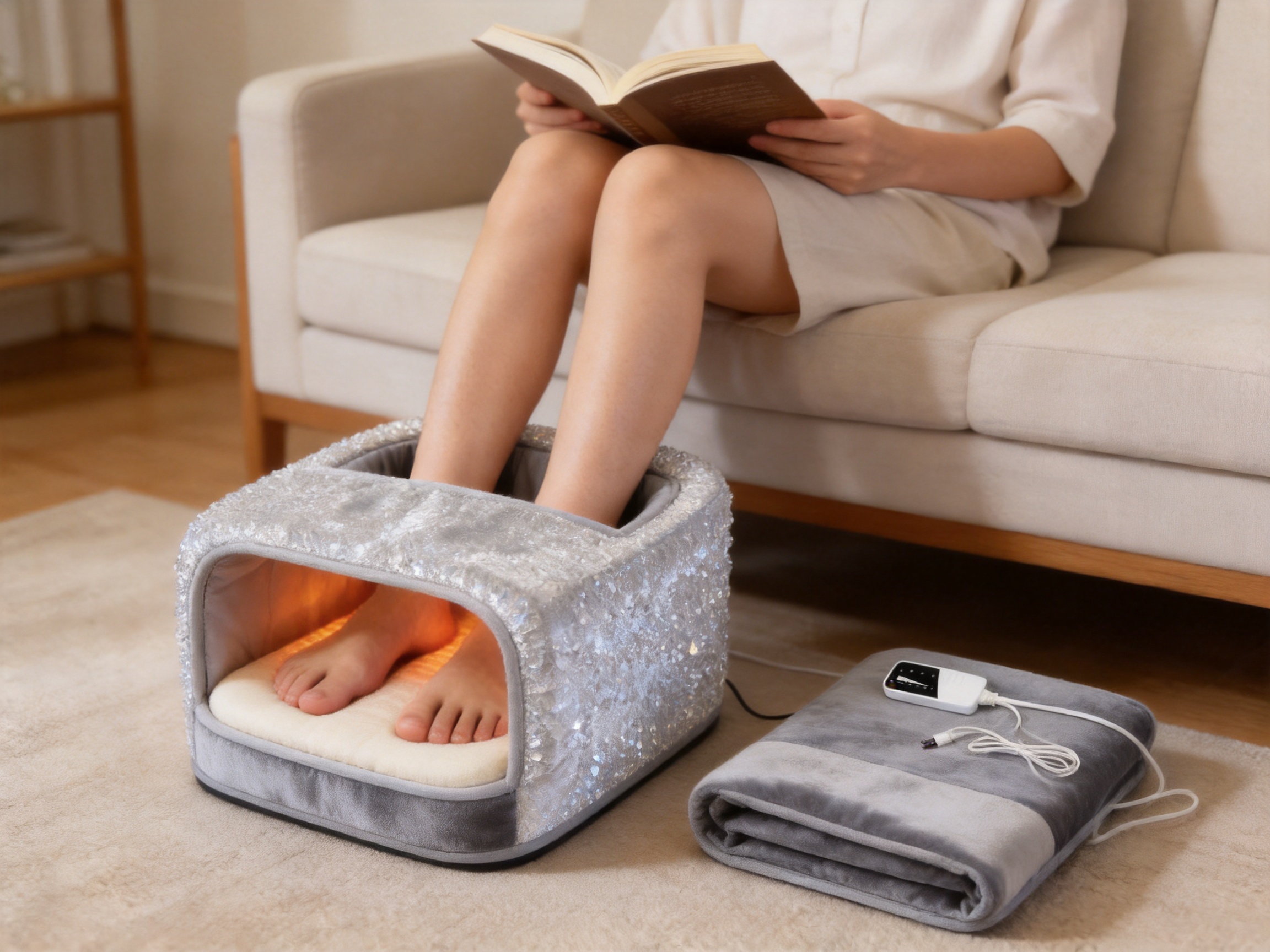
The defining characteristic of the MT-FW-001 is its all-around warming structure. The foot space is enclosed rather than left open on multiple sides. This structure helps retain heat around the feet and reduces the rapid loss of warmth that can occur with exposed heating surfaces.
Open heating solutions may warm the top or bottom of the feet but leave other areas exposed to cold air. They can also require users to maintain a precise position to feel the intended benefit. An enclosed foot warmer creates a broader warming environment, allowing the user to place the feet inside a soft, protected space. This can make the experience more comfortable during extended periods of use.
The wrap-around design is also beneficial in settings where cold air enters from the floor. Instead of relying only on socks or footwear, users receive warmth from a dedicated product positioned directly around the feet. The design helps create a stable personal comfort zone without requiring a large appliance.
From a product-development perspective, enclosed construction can also support clearer visual differentiation in a crowded market. Many warming products look similar when they consist only of a flat heating pad. A foot warmer with a defined three-dimensional structure communicates its purpose immediately and provides a more recognizable retail proposition.
Although the product is designed primarily for the feet, the enclosed warming concept can support other applications when the product is used carefully and according to safety instructions. Users may place their hands inside the warming space or use the product to provide localized warmth around the knees, waist, or abdomen. This flexibility gives it broader appeal than a product restricted to one body area.
The enclosed design should not be interpreted as a replacement for medical treatment or professional healthcare equipment. It is intended for everyday comfort and personal warmth. Retail descriptions should clearly present it as a household warming appliance and should encourage responsible use.
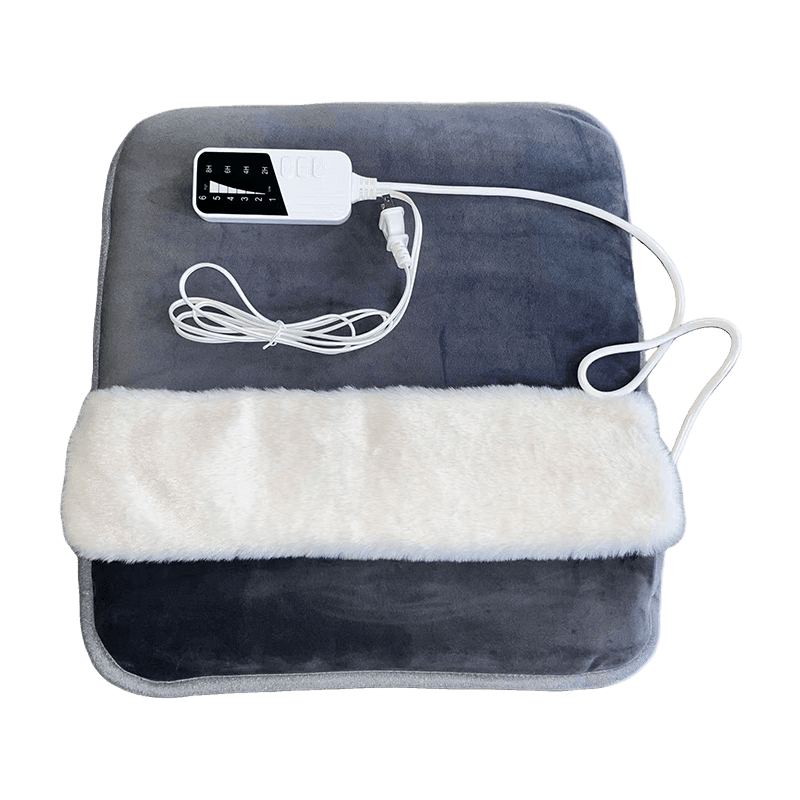
All-Around Heated Foot Warmer
Comfort is an important factor in any product that may be used for long periods. The MT-FW-001 uses crystal velvet and sponge as its primary materials. Crystal velvet provides a plush, soft-touch surface, while sponge contributes cushioning and structure. Together, these materials create a more welcoming interior than a hard plastic or exposed metal heating surface.
The soft inner environment is designed to make the product comfortable when used while working, reading, watching television, or relaxing. Users can place their feet inside without direct contact with a rigid heating element. The cushioning also helps create a pleasant feeling around the feet, especially when the product is positioned beneath a desk or beside a sofa.
Material selection affects more than tactile comfort. It also contributes to the product’s visual appearance, perceived quality, and suitability for retail presentation. Plush textiles can make a warming appliance appear more inviting and less industrial. For consumers shopping for household comfort products, softness and appearance often influence purchasing decisions alongside technical specifications.
The material combination also supports the product’s flexible construction. Unlike a bulky rigid appliance, a velvet-and-sponge warming product can be folded or stored more easily when the season ends. This is useful for households with limited closet space and for retailers that need efficient packaging and storage during distribution.
For OEM and ODM customers, the availability of fabric and material options creates additional possibilities. Depending on the intended market, a buyer may request plush, flannel, or another suitable textile. Color, surface texture, lining, trim, and packaging can be considered as part of a broader product customization program.
Any material customization must remain compatible with the heating system, electrical safety requirements, cleaning expectations, and production process. A professional manufacturing partner can help evaluate whether a proposed fabric or structure is appropriate for repeated warming use. This is one reason integrated design, sewing, assembly, and appliance manufacturing capabilities are valuable during product development.
People experience cold differently. One user may need gentle warmth during a mild winter day, while another may prefer a higher setting in a colder environment. The Heated Foot Warmer responds to this variation with multiple temperature levels that allow users to adjust the warmth according to personal preference and surrounding conditions.
Adjustable temperature control is more versatile than a single fixed heating level. It allows the product to be used in different rooms, seasons, and situations. A lower setting may be suitable for longer periods of desk work, while a higher setting may be selected when the feet are particularly cold at the start of use. The ability to adjust the temperature can also improve user satisfaction because the product is not limited to one intensity.
Simple controls are particularly important for household appliances. Users should be able to understand how to start the heating function, change the setting, and stop operation without a complicated learning process. A straightforward control arrangement also helps retailers position the product as accessible to a wide range of consumers.
For private-label buyers, controls can be reviewed as part of the customization process. Depending on the target market and final configuration, customers may discuss control placement, labeling, indicator design, user instructions, plug requirements, and packaging communication with the manufacturer.
The listed electrical specification is 100V and 50W. These specifications are important for purchasing, distribution, and market planning. Buyers should confirm that the voltage, plug configuration, certification requirements, and electrical standards match the destination market before placing an order or finalizing packaging.
Safety is a central consideration in an electrically heated household product. The MT-FW-001 is designed with overheat protection, stable heating performance, simple controls, and an energy-conscious 50W rating. These features are intended to support reliable use while helping users operate the product with confidence.
Overheat protection is an important safeguard because it helps limit excessive temperature conditions during operation. It is not a substitute for responsible use, but it is a valuable layer within the product’s safety design. Users should follow the supplied instructions, avoid covering the product with unsuitable materials, inspect the power cord before use, and disconnect the appliance when it is not required.
Stable heating performance is also important for comfort. Rapid or inconsistent temperature changes can make a product difficult to use. A controlled heating system aims to deliver a more predictable experience across normal operating conditions. For distributors and retailers, stable performance can reduce complaints and strengthen confidence in repeat orders.
The 50W power rating supports focused warming with relatively low power demand compared with many room-heating appliances. The product is not intended to replace central heating or a room heater. Instead, it provides targeted warmth at the user’s feet or another suitable area, allowing consumers to address personal discomfort without necessarily increasing the temperature of the entire room.
Responsible use remains essential. The product should be used on a stable surface and should not be operated if the electrical cord, plug, controller, or heating structure shows visible damage. It should be kept away from water and used only as directed. Children should use the product under appropriate adult supervision, and people with reduced sensitivity to heat should take additional care.
Retailers can improve consumer understanding by including clear safety information in product listings, packaging, instruction manuals, and after-sales support. Good communication helps users understand both the advantages and the limitations of a household heating appliance.
The Heated Foot Warmer competes with several types of personal warming products, including open electric heating pads, heated slippers, hot-water bottles, disposable heat packs, and compact room heaters. Each category has its own benefits, but the MT-FW-001 combines several practical characteristics in one product.
| Product Type | Typical Strength | Common Limitation | Positioning Advantage of the Heated Foot Warmer |
|---|---|---|---|
| Open heating pad | Flat and simple construction | Limited heat retention and exposed warming surface | Enclosed structure surrounds the feet and helps retain warmth |
| Heated slippers | Portable while walking or moving | May require batteries, charging, or individual sizing | Provides a larger shared warming space for seated use |
| Hot-water bottle | Does not require electrical operation during use | Needs hot water and gradually loses heat | Offers adjustable electric warmth with convenient operation |
| Disposable heat pack | Easy to carry for short-term use | Limited operating time and generates recurring waste | Reusable household appliance for repeated seasonal use |
| Room heater | Warms a broader area | Uses more space and may consume more energy | Targets personal comfort without heating the whole room |
Compared with a flat heating pad, the enclosed structure is the most visible advantage. The user does not need to place the feet directly on a surface and hope that warmth reaches the upper and side areas. Instead, the product forms a dedicated space around the feet.
Compared with heated slippers, the product offers a different type of convenience. It is intended mainly for seated use, making it suitable for office desks, sofas, bedsides, and study areas. Users can place both feet in one warming space without needing a separate wearable item for each foot. The design may also be easier to share within a household, although users should follow appropriate hygiene and cleaning practices.
Compared with hot-water bottles and disposable heat packs, the electric foot warmer provides repeatable operation. It does not require water preparation before every use, and it is not limited to a single disposable heating cycle. Adjustable temperature settings also provide more control than many passive warming products.
Compared with a room heater, the product is smaller, more focused, and easier to position near the user. It is appropriate for consumers who want localized warmth rather than a change in the temperature of an entire room. This distinction is particularly relevant in offices, dormitories, bedrooms, and other compact environments.
Portability is another important advantage of the product. The Heated Foot Warmer is lightweight and flexible, allowing it to be moved between rooms or taken to different work and living spaces. A user may keep it under a home office desk during the day and move it to a sofa or bedroom in the evening.
The foldable construction makes storage easier when the product is not in use. Seasonal household appliances can become inconvenient if they occupy a large amount of space for most of the year. By folding the product, users can place it in a closet, cabinet, drawer, or storage box until cold weather returns.
This space-saving quality is also useful for distributors. A foldable product can support more efficient warehouse organization and retail packaging. It may be easier to display in a shelf-ready box or ship in standard cartons than a bulky rigid heater. Final logistics performance depends on packaging design and order configuration, but the flexible structure provides a useful foundation.
For students and renters, portability can be especially valuable. A dormitory resident or apartment tenant may not have permission to install permanent heating equipment. A compact personal warming appliance can be moved as needed without modifying the room. It may also be suitable for temporary workspaces and shared offices where permanent equipment is impractical.
Portability does not mean the product should be used while walking or carried during operation. It is primarily designed to be repositioned between uses and operated in a stable seated environment. Clear instructions should explain the intended use and help prevent misuse.
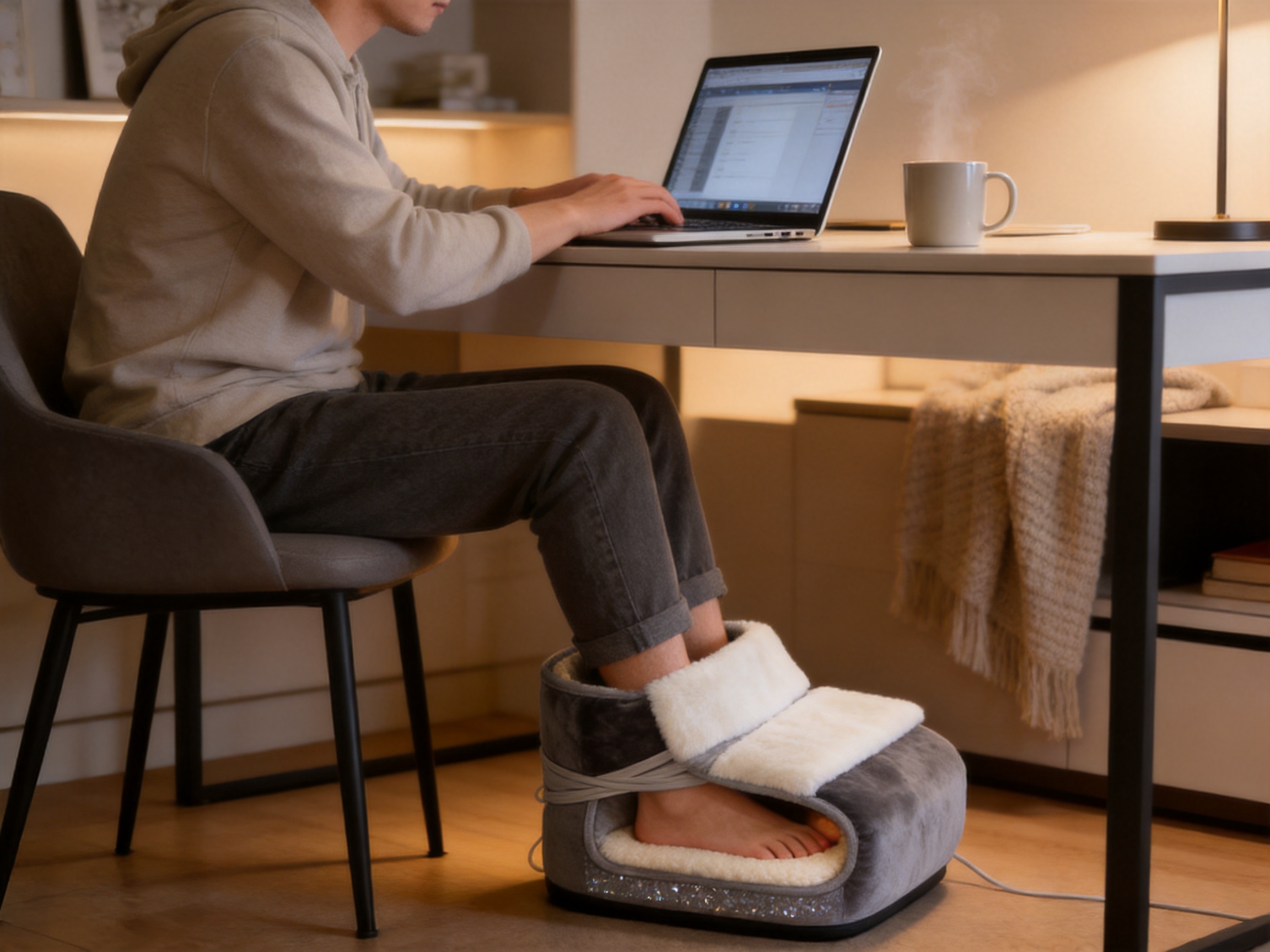
Office workers often sit for extended periods with their feet positioned on cold flooring. Even when the general room temperature is acceptable, the area beneath a desk may feel uncomfortable. The Heated Foot Warmer can be placed under a desk to create a personal warming zone without disturbing coworkers or changing the temperature of the entire office.
Its adjustable settings allow users to select a suitable level during different parts of the day. The soft structure can also help create a more comfortable work environment, especially during winter. Employers, office suppliers, and corporate gift companies may consider this application when evaluating seasonal product programs.
At home, the product can be used beside a sofa, in a bedroom, near a reading chair, or in another comfortable seated location. It is suitable for moments when users want quiet, localized warmth while watching television, reading, using a laptop, or resting.
The soft materials and enclosed form fit naturally into a home-comfort product range. Retailers may present it alongside blankets, cushions, heated textiles, sleep accessories, and other seasonal comfort products. Its relatively compact size also makes it easier to store than a larger floor-standing heater.
Students and residents of compact housing often need products that are easy to store and do not occupy much floor space. A personal foot warmer provides targeted warmth while allowing the user to remain at a desk or in bed. The 50W rating and focused heating concept may be attractive to consumers who want personal comfort without operating a full-size room heater.
A heated foot warmer can be positioned as a practical winter gift. It is suitable for people who spend long hours at desks, enjoy reading, work from home, or live in colder regions. The product’s broad age and lifestyle appeal can make it appropriate for household gift catalogs, employee appreciation programs, and winter promotional campaigns.
In addition to the feet, the product may be used to provide localized warmth to the hands, knees, waist, or abdomen when used safely and appropriately. This multifunctional potential gives buyers more ways to communicate the product’s value. However, it should not be marketed as a medical device or as a treatment for illness unless separate regulatory approvals and evidence support such claims.
The following specifications provide a concise overview for importers, distributors, retailers, and product-development teams. Electrical and regulatory details should be confirmed for the intended destination market before commercial production.
| Specification | Details |
|---|---|
| Product name | All-Around Heated Foot Warmer |
| Model | MT-FW-001 |
| Product category | Electric Foot Warmer |
| Primary materials | Crystal Velvet and Sponge |
| Rated voltage | 100V |
| Rated power | 50W |
| Product size | 43 × 47 × 3.5 cm |
| Temperature control | Multiple adjustable heat levels |
| Safety feature | Overheat protection |
| Packaging | 1 piece per color box |
| Warranty | 1 year |
| Minimum order quantity | 1,500 pieces per color |
The listed dimensions provide a balance between usable foot space and compact storage. Buyers should confirm whether the dimensions refer to the overall product or a specific folded or assembled measurement when preparing packaging artwork and retail specifications.
The one-piece-per-color-box packaging format supports individual retail presentation. A color box can communicate the product’s main benefits, operating instructions, technical information, and safety guidance. Packaging design may also be customized for private-label programs, subject to production and printing requirements.
The strength of a household appliance is influenced not only by its visible design but also by the manufacturing system behind it. Ningbo Meeting Industrial & Trading Co., Ltd. operates approximately 5,000 square meters of production facilities and combines several important processes within its manufacturing organization.
These processes include injection molding, sewing, assembly, and complete appliance manufacturing. The combination is especially relevant to products such as heated foot warmers, which may require coordination between textile structures, molded components, electrical parts, control systems, packaging, and final inspection.
Injection molding capability supports the production of selected plastic components and housings. Internal control over or direct coordination of molded parts can help manufacturers manage dimensional consistency, surface finish, component fit, and production timing. It may also make it easier to evaluate design changes during product development.
Sewing capability is important for textile-based heating products. The shape, seams, fabric layers, padding, openings, and foldable structure all influence the product’s comfort and durability. Sewing teams must coordinate textile construction with the placement of heating components and controls. Consistent stitching and accurate assembly help support both appearance and functional performance.
Assembly capability brings the various elements together. The heating system, wiring, control components, textile structure, cushioning, protective layers, and labels must be assembled in the correct sequence. Proper assembly can support stable operation and reduce the risk of avoidable production defects.
Complete appliance manufacturing capability enables a broader view of the finished product. Rather than treating the textile, electronics, packaging, and final inspection as unrelated activities, an integrated manufacturer can coordinate them as parts of one product-development and production process.
This arrangement can simplify communication for OEM and ODM customers. Instead of coordinating multiple factories for fabric construction, molded parts, electrical integration, and final assembly, a buyer may work with one manufacturing partner that manages the project through a more unified process.
Quality control is essential for any product that combines textiles with electricity. A reliable production program should address incoming materials, component quality, sewing consistency, electrical connections, heating performance, appearance, packaging, and final product inspection.
For the Heated Foot Warmer, quality control may include checking the crystal velvet and sponge materials, confirming that the product dimensions meet the approved sample, inspecting seams and edges, verifying the position of the heating system, and testing control functions. The exact inspection plan can be defined according to the product configuration, customer requirements, and applicable market standards.
Stable heating performance is an important quality objective. Each finished unit should be evaluated according to established operating criteria so that users receive a consistent experience. Controls should be checked for proper operation, and safety-related functions such as overheat protection should be included in the appropriate testing process.
Visual inspection also matters because consumer perception is shaped by the product’s appearance. Uneven stitching, fabric marks, loose threads, incorrect labels, damaged packaging, or inconsistent colors can affect retail acceptance even when the appliance functions correctly. A manufacturer with sewing, assembly, and packaging coordination can address these issues more efficiently.
Production consistency becomes particularly important at the stated minimum order quantity of 1,500 pieces per color. Large orders require reliable material planning, clear sample approval, organized production scheduling, and systematic inspection. Buyers should establish technical specifications and quality expectations before mass production begins.
A one-year warranty provides an additional commercial support framework. Warranty terms, exclusions, claim procedures, spare parts, and customer-service responsibilities should be confirmed in the purchasing agreement. Clear documentation helps both the manufacturer and the buyer manage after-sales expectations.
The product is suitable for businesses that want to sell a warming appliance under their own brand or adapt it for a specific market. As a direct manufacturer, Ningbo Meeting provides OEM and ODM support covering fabric and material options, size and structure, heating systems, control options, branding, and packaging design.
Different markets may prefer different textures, colors, patterns, and levels of softness. Plush, flannel, and other suitable fabrics can be evaluated for use in the outer or inner construction. Material selection should consider comfort, durability, colorfastness, cleanability, heat resistance, and compatibility with the selected manufacturing process.
Customers may require a different foot-space size, opening shape, overall profile, foldable structure, or product format. These changes can be considered during the design stage. A clear technical drawing or approved prototype helps ensure that the final product meets the intended user requirements.
Heating performance and user interaction can be adapted according to market needs. Buyers may discuss temperature levels, control layout, indicator functions, cord length, plug type, and other operational details. Electrical specifications must be reviewed carefully to ensure compatibility with the target country and relevant certification requirements.
Private-label customers may request customized labels, woven tags, printed instructions, color boxes, barcodes, warning information, and retail graphics. Packaging can be designed to explain the enclosed warming structure, adjustable temperature settings, portability, safety features, and intended applications.
Customization should be managed through a structured process. The customer and manufacturer should first confirm the product concept, target market, technical requirements, visual direction, sample approval, testing requirements, packaging artwork, order quantity, production schedule, and delivery terms. This approach reduces ambiguity and helps protect consistency throughout mass production.
A professional product-development process begins with understanding the intended market. A buyer may be targeting office workers, home users, students, winter gift shoppers, or a particular retail channel. Each audience may prioritize different characteristics, such as softness, compactness, price, packaging, temperature control, or color selection.
After the market position is established, the manufacturer can review the product structure and technical requirements. The design team may consider the dimensions of the warming cavity, the thickness of the sponge, fabric placement, opening size, heating system, control location, cable routing, and folding method.
Sampling is a critical stage. A prototype allows the buyer to review appearance, comfort, operating instructions, temperature settings, packaging size, and general usability. Adjustments can be made before the order enters mass production. For a textile appliance, sampling is particularly useful because small structural changes may affect both comfort and electrical integration.
Once the sample is approved, production documentation should be finalized. This may include material specifications, color references, component lists, sewing instructions, assembly requirements, electrical details, inspection standards, packaging artwork, and labeling requirements.
During production, the manufacturer coordinates material preparation, sewing, component assembly, electrical integration, testing, packing, and shipment. An integrated facility can make communication more efficient because multiple stages are managed within one manufacturing organization.
After final inspection, products are packed in individual color boxes and prepared according to the customer’s shipping instructions. Buyers should confirm carton dimensions, gross and net weight, shipping marks, pallet requirements, and destination-market documentation as part of the order process.
Clear communication is a practical advantage in OEM and ODM manufacturing. Household electrical products involve many details, and misunderstandings can affect appearance, operation, compliance, packaging, and delivery schedules.
Ningbo Meeting maintains a professional team covering research and development, design, production management, and project support. This type of team structure is intended to support communication between the customer’s concept and the factory’s production requirements.
Effective project support may include reviewing technical drawings, confirming samples, discussing material alternatives, identifying production limitations, coordinating packaging, and providing updates on manufacturing progress. Customers benefit when questions are addressed early, before they become costly changes during mass production.
Production schedules must also be managed carefully. Material availability, color changes, custom components, packaging printing, testing, and order quantity can all influence lead time. A manufacturer with experience in complete appliance production can help identify dependencies and establish a more realistic delivery plan.
The company’s participation in professional exhibitions, including the Tokyo Gift Show, provides exposure to international market preferences and product trends. Exhibition participation can help manufacturers understand how buyers evaluate household products, what features attract attention, and how different regions approach product presentation.
The Heated Foot Warmer offers several characteristics that are useful for international product sourcing. Its purpose is easy to understand, its application is relevant to cold-weather markets, and its compact structure supports retail and shipping considerations.
The product can be positioned in different ways depending on the buyer’s sales channel. An online retailer may emphasize personal comfort, adjustable warmth, and under-desk use. A department store may present it as a seasonal home-comfort accessory. A corporate supplier may use it as a winter employee gift. A distributor may include it in a broader household heating catalog.
OEM and ODM flexibility gives buyers the opportunity to adapt the product to regional preferences. Colors, fabrics, control details, packaging language, plug configuration, and product messaging can be reviewed during the development process. This is more adaptable than purchasing a completely fixed product with no opportunity for market-specific changes.
The factory’s capabilities across injection molding, sewing, assembly, and appliance production can also reduce the complexity of supplier coordination. A buyer may benefit from having textile and electrical requirements discussed in the same project rather than managed separately by unrelated suppliers.
International buyers should still complete their own due diligence. They should review samples, factory documentation, applicable standards, labeling requirements, packaging rules, voltage compatibility, import regulations, and inspection procedures. Product suitability depends on both manufacturing quality and proper market preparation.
Marketing language should accurately describe the product’s purpose. The Heated Foot Warmer is designed to provide soothing household warmth and everyday comfort. It should not be presented as a diagnostic, therapeutic, or medical treatment product unless the necessary regulatory evaluation has been completed.
Appropriate claims may include enclosed warming design, soft crystal velvet and sponge construction, multiple heat settings, overheat protection, portable storage, under-desk use, and multipurpose personal warmth. These claims are directly connected to the supplied product information.
Retailers should avoid promising that the product will cure pain, improve circulation, treat disease, or replace professional medical care. Such claims can create consumer safety concerns and regulatory problems. Clear, accurate product information protects the buyer, seller, manufacturer, and end user.
Instructions should explain how to place the feet inside the warmer, how to select a temperature level, how to turn the product off, how to store it, and how to respond if the unit appears damaged or operates abnormally. Safety information should be easy to read and translated appropriately for the destination market.
Correct care can help preserve the appearance and performance of a textile heating product. Users should follow the manufacturer’s cleaning instructions and should not immerse electrical components in water. If the product includes removable or washable textile parts, the instructions should clearly explain the correct procedure.
The foot warmer should be allowed to cool before storage. Its foldable structure can then be used to reduce the amount of space required. Storing the product in a dry, clean location helps protect the fabric and electrical components between seasons.
Users should periodically inspect the product for unusual odors, visible damage, frayed cables, broken controls, or other signs of malfunction. If a problem is identified, the product should be disconnected and not used until it has been properly evaluated.
For retailers, including care and storage guidance can improve the overall customer experience. A product that is easy to understand and maintain is more likely to receive positive reviews and generate repeat seasonal demand.
The Heated Foot Warmer can support a variety of commercial strategies. Its compact form makes it suitable for e-commerce, specialty home stores, winter product displays, office-supply channels, and gift catalogs. The product’s benefits can be communicated through lifestyle images, clear feature panels, demonstration videos, and concise packaging copy.
Its multifunctional positioning also creates opportunities for product bundling. Retailers may group it with warm blankets, cushions, desk accessories, sleep products, or winter wellness items. Distributors can offer it to customers in several industries rather than limiting sales to one narrow category.
Color customization can help buyers create seasonal collections or coordinate with an existing household product range. Packaging customization can support different retail environments, languages, price points, and brand identities.
The minimum order quantity of 1,500 pieces per color is best suited to established distributors, importers, private-label brands, and promotional-product buyers that can plan seasonal volume. Buyers should forecast demand carefully because heating products are often affected by winter timing, regional climate, retail promotions, and shipping schedules.
A one-year warranty can provide a useful selling point when supported by clear service procedures. Buyers should ensure that warranty information is communicated consistently across product listings, packaging, instruction manuals, and customer-service channels.
Before placing an order, buyers should confirm the product model, dimensions, materials, voltage, power rating, plug type, temperature-control configuration, packaging format, warranty terms, and minimum order quantity.
They should also request and approve a production sample. The sample should be evaluated for comfort, dimensions, fabric quality, stitching, heating operation, control function, packaging appearance, and user instructions.
Destination-market requirements should be reviewed before mass production. Depending on the country or region, the product may require specific electrical testing, documentation, labeling, plug standards, language requirements, recycling marks, or packaging information.
Buyers should agree on an inspection method. This may include pre-production approval, in-process inspection, final random inspection, functional testing, visual inspection, carton verification, and shipment release procedures.
Finally, the purchasing agreement should clarify production timing, payment terms, shipping responsibilities, warranty handling, replacement procedures, customization limits, and communication contacts. A detailed agreement reduces the risk of confusion during an important seasonal order.
The main purpose is to provide focused warmth around the feet. Its enclosed structure helps retain heat and create a comfortable personal warming space for use at home, in offices, dormitories, and other indoor environments.
A flat heating pad generally provides warmth from one exposed surface. The Heated Foot Warmer uses a wrap-around structure that encloses the feet, helping reduce heat loss and providing a more complete warming environment.
Yes. It can also be used to warm hands, knees, the waist, or the abdomen when used carefully and according to the instructions. It is intended for everyday comfort and is not automatically a medical treatment device.
Yes. Multiple temperature settings allow users to adjust the warmth according to personal preference and environmental conditions.
The product includes overheat protection. Users should still follow all operating instructions, avoid water exposure, inspect the cord and controls, and disconnect the product when it is not in use.
The listed materials are crystal velvet and sponge. These materials provide a soft, cushioned interior and support the product’s flexible, foldable construction.
The listed specification is 100V and 50W. Buyers must confirm voltage, plug configuration, and local electrical requirements for the intended destination market.
The listed size is 43 × 47 × 3.5 centimeters. Buyers should confirm the measurement method and final dimensions during the sample and packaging approval process.
Yes. It is lightweight, flexible, and foldable, making it suitable for storage in small homes, dormitories, offices, and seasonal household storage areas.
Suitable applications include under-desk office use, home relaxation, bedrooms, sofas, reading areas, dormitories, and other indoor spaces where focused personal warmth is desired.
Yes. Customization support includes fabric and material options, size and structure adjustments, heating and control options, branding, and packaging design.
The company operates approximately 5,000 square meters of production facilities covering injection molding, sewing, assembly, and complete appliance manufacturing. These capabilities support coordinated production of textile and electrical household products.
The listed minimum order quantity is 1,500 pieces per color. Buyers should confirm the final quantity, color options, packaging requirements, and customization conditions during quotation.
The listed warranty period is one year. Exact warranty coverage, exclusions, and claim procedures should be confirmed in the commercial agreement.
It can be developed for international sourcing, but buyers must verify destination-market voltage, plug type, safety standards, testing, labeling, packaging, and import requirements before ordering.
The All-Around Heated Foot Warmer combines focused warmth, soft materials, adjustable temperature control, overheat protection, and convenient storage in one compact household appliance. Its enclosed design helps retain heat more effectively than many open warming solutions, while its 50W rating supports targeted personal comfort rather than whole-room heating.
The product is suitable for office workers, home users, students, residents of compact housing, and consumers seeking a practical winter gift. Its ability to provide localized warmth for the hands, knees, waist, or abdomen also gives it broader positioning potential than a conventional foot-only accessory.
For commercial buyers, the product is supported by an integrated manufacturing platform covering injection molding, sewing, assembly, and complete appliance production. This combination can simplify OEM and ODM development, improve coordination between textile and electrical components, and support consistent production at commercial order volumes.
With customization options for materials, structure, heating controls, branding, and packaging, the MT-FW-001 can be adapted for different markets and sales channels. Buyers should confirm all technical, regulatory, packaging, quality, and warranty requirements before mass production. When properly specified and responsibly marketed, the Heated Foot Warmer offers a practical combination of comfort, versatility, compactness, and manufacturing support.
1. Product specification sheet for MT-FW-001, All-Around Heated Foot Warmer.
2. Manufacturer-provided company profile for Ningbo Meeting Industrial & Trading Co., Ltd.
3. Manufacturer-provided information regarding injection molding, sewing, assembly, and complete appliance manufacturing capabilities.
4. Manufacturer-provided information regarding OEM and ODM customization, including materials, structure, heating systems, controls, branding, and packaging.
5. Manufacturer-provided product information regarding crystal velvet and sponge construction, 100V operation, 50W power, adjustable temperature settings, overheat protection, packaging, warranty, and minimum order quantity.
You settle onto the couch on a cold winter evening, blanket spread across your lap, and hesitate before reaching for the plug. How much electricity will this actually use? Most he...
READ MOREAs households increasingly seek ways to stay comfortable while managing energy costs, the Energy-Efficient Smart Heated Throw Blanket has emerged as a practical solution that blen...
READ MOREFalling asleep quickly and staying asleep through the night depend on more than just a dark, quiet room. Body temperature plays a central, often underappreciated role in the sleep...
READ MORESmart energy-efficient portable cooling hand fans have quickly become one of the most practical personal comfort devices available, combining compact design, long battery life, an...
READ MORELayering Is the First Rule of Using a Heated Blanket Last winter, a customer told me his new heated blanket felt cold around his feet. We checked the setup together, and the probl...
READ MOREThe first time you wash a heated blanket, the process feels slightly risky. You are placing a product filled with wires into water, and a mistake can shorten its lifespan or damag...
READ MORE