Home > News > Industry News > Why Are Smart Electric Cleaning Brushes Becoming the Ultimate Secret to Effortless Deep Cleaning in Modern Homes?
26/06/2026 Industry News

Why Are Smart Electric Cleaning Brushes Becoming the Ultimate Secret to Effortless Deep Cleaning in Modern Homes?

Cleaning has traditionally been one of the most time consuming and physically demanding tasks in both household and commercial settings. Whether it involves scrubbing floors, vacuuming carpets, wiping down surfaces, or managing waste, the labor required has historically limited how quickly and thoroughly spaces could be maintained. The emergence of high-efficiency labor-saving smart cleaning tools has fundamentally changed this equation, combining automation, sensor technology, and intelligent design to deliver cleaner results in a fraction of the time and effort previously required.

This article provides a detailed exploration of high-efficiency labor-saving smart cleaning tools, covering what defines this category of equipment, how the underlying technology works, why adoption is accelerating across homes and businesses, and what factors should guide the selection, use, and maintenance of these tools for the best long term results.

Understanding High-Efficiency Labor-Saving Smart Cleaning Tools

High-efficiency labor-saving smart cleaning tools refer to a broad category of cleaning equipment that integrates automation, connectivity, and intelligent engineering to reduce the time, physical effort, and resources required to clean a given space. These tools range from robotic vacuum cleaners and automated floor scrubbers to smart mops, app connected pressure washers, and sensor equipped surface cleaning devices. What unites this category is a shared design philosophy centered on minimizing human labor while maximizing cleaning effectiveness and resource efficiency.

Unlike traditional cleaning equipment, which relies entirely on manual operation and physical effort, smart cleaning tools incorporate features such as automated navigation, programmable scheduling, sensor based dirt detection, and in many cases, connectivity to mobile applications that allow remote monitoring and control. This combination of automation and intelligence allows these tools to complete cleaning tasks with less direct human involvement, often achieving more consistent results than manual cleaning while simultaneously reducing the physical strain associated with repetitive cleaning tasks.

Defining Characteristics of Smart Cleaning Tools

Several core characteristics distinguish high-efficiency labor-saving smart cleaning tools from conventional cleaning equipment.

Characteristic Description
Automated navigation Uses sensors, cameras, or mapping technology to move through a space without manual guidance
Programmable scheduling Allows cleaning tasks to be set in advance and run automatically at designated times
Sensor based dirt detection Identifies areas with higher dirt concentration and adjusts cleaning intensity accordingly
App connectivity Enables remote monitoring, control, and performance tracking through a mobile device
Energy efficient motors Reduces power consumption while maintaining strong suction or cleaning performance
Self maintenance features Includes self emptying, self cleaning, or self charging capabilities to reduce manual upkeep

Together, these characteristics allow smart cleaning tools to operate with significantly less direct human oversight than traditional equipment, freeing up time for other tasks while still achieving thorough, consistent cleaning results.

Categories of High-Efficiency Smart Cleaning Tools

The smart cleaning tool category spans a wide range of equipment types, each addressing different cleaning needs across residential, commercial, and industrial environments.

Robotic Vacuum and Mopping Systems
Robotic vacuums and combination vacuum and mop systems use mapping sensors, cameras, and obstacle detection to autonomously navigate floors, avoiding furniture and other obstacles while systematically covering an entire space. Many models now include self emptying dust bins, automatic mop pad washing stations, and the ability to learn and remember the layout of a home or office over repeated cleaning cycles.

Automated Floor Scrubbers
Used extensively in commercial and industrial settings, automated floor scrubbers combine scrubbing, washing, and drying functions into a single autonomous unit capable of cleaning large floor areas such as warehouses, retail stores, and office lobbies without requiring an operator to manually push or guide the machine for the entire duration of the task.

Smart Handheld and Cordless Cleaning Devices
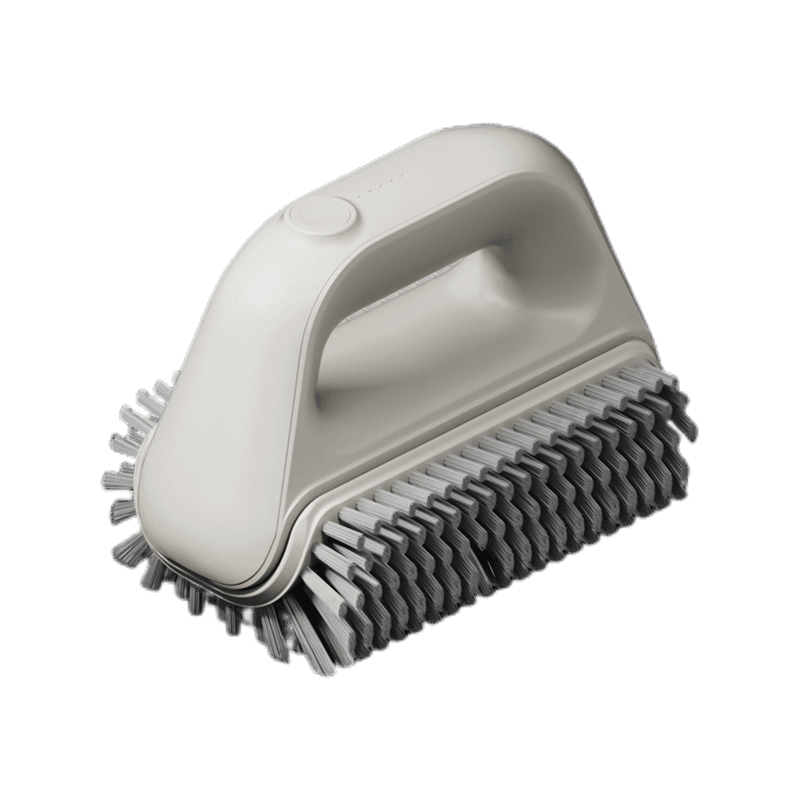
This category includes cordless vacuums, smart mops, and handheld cleaning tools equipped with sensors that detect dirt levels and automatically adjust suction power or cleaning intensity, reducing battery drain and improving cleaning efficiency without requiring manual adjustment from the user.

Connected Pressure Washers and Outdoor Cleaning Equipment
Smart pressure washers and connected outdoor cleaning tools often include app based controls, water usage tracking, and programmable cleaning modes that optimize water and energy use while reducing the physical effort required to clean large outdoor surfaces such as driveways, patios, and building exteriors.

Window and Glass Cleaning Robots
Specialized robotic devices designed for cleaning windows and glass surfaces use suction or magnetic technology to adhere to vertical surfaces, automatically navigating and cleaning glass panels without requiring a person to physically reach or climb to access elevated or difficult to reach windows.

Smart Air Purifying and Surface Disinfecting Tools
Beyond traditional surface and floor cleaning, smart cleaning tools also extend into air quality and disinfection, with devices that automatically monitor air quality or surface cleanliness and trigger purification or disinfection cycles without requiring constant manual operation.

Common Settings Where Smart Cleaning Tools Are Used

High-efficiency labor-saving smart cleaning tools have found adoption across a wide range of environments, including the following.

  • Residential homes seeking to reduce time spent on routine cleaning tasks
  • Office buildings maintaining consistent cleanliness across large floor areas
  • Retail stores requiring frequent floor cleaning without disrupting customer traffic
  • Hospitals and healthcare facilities where consistent disinfection and cleanliness are critical
  • Warehouses and industrial facilities with large floor areas requiring regular maintenance
  • Hotels and hospitality venues balancing guest experience with operational efficiency
  • Educational institutions managing cleaning across classrooms, hallways, and common areas

In each of these environments, the core value proposition remains consistent, achieving thorough, consistent cleaning results while significantly reducing the labor hours and physical effort traditionally required to maintain cleanliness standards.

Why High-Efficiency Smart Cleaning Tools Are Gaining Widespread Adoption

The growing adoption of smart cleaning tools across homes and businesses reflects a combination of practical benefits related to time savings, cost efficiency, consistency, and broader workforce considerations.

Significant Time Savings

The most immediately apparent benefit of smart cleaning tools is the substantial reduction in time required to complete cleaning tasks. Robotic vacuums can clean an entire floor while a homeowner attends to other responsibilities, while automated commercial scrubbers can cover large retail or warehouse floors without requiring an operator to manually guide the machine for the entire duration. This time savings allows individuals and businesses to redirect labor hours toward higher value activities.

Reduced Physical Strain and Labor Costs

Manual cleaning, particularly in commercial and industrial settings, often involves repetitive physical exertion that can contribute to worker fatigue and injury risk over time. By automating much of the physical labor involved in floor cleaning, surface scrubbing, and similar tasks, smart cleaning tools reduce the physical strain placed on cleaning staff, potentially lowering injury related costs and improving overall workforce wellbeing. For businesses, this can also translate into reduced labor costs, since fewer staff hours are required to achieve the same or improved cleaning outcomes.

Improved Consistency and Cleaning Quality

Human cleaning performance can vary based on fatigue, time constraints, or inconsistent technique. Smart cleaning tools, by contrast, follow programmed or sensor guided cleaning patterns that tend to produce more consistent results across repeated cleaning cycles. Many devices also include sensors that detect areas with higher dirt concentration, automatically increasing cleaning intensity in those specific zones rather than applying uniform effort across an entire space regardless of actual need.

Energy and Resource Efficiency

High-efficiency smart cleaning tools are often engineered with energy and resource conservation as a core design priority. Sensor based systems can adjust power consumption based on real time cleaning demands, while connected devices can optimize water and chemical usage in tasks such as floor scrubbing or pressure washing. This not only reduces operating costs but also aligns with broader sustainability goals that many households and businesses are increasingly prioritizing.

Scalability for Large or Complex Spaces

For businesses managing large facilities such as warehouses, retail chains, or office campuses, smart cleaning tools offer a scalable solution that would be difficult to achieve through manual labor alone without significantly increasing staffing levels. Automated scrubbers and connected cleaning systems can be deployed across multiple zones or facilities, often managed centrally through software platforms that allow facility managers to monitor cleaning performance and schedule tasks efficiently across an entire portfolio of properties.

Data Driven Cleaning Management

Many smart cleaning tools generate usage data that can be valuable for optimizing cleaning operations over time. Connected devices can track how frequently certain areas require cleaning, how long tasks take to complete, and where dirt accumulation tends to be highest. This data allows facility managers and even household users to make more informed decisions about cleaning schedules and resource allocation, moving away from fixed, calendar based cleaning routines toward more responsive, needs based approaches.

Addressing Labor Shortages in Cleaning Industries

The commercial cleaning and janitorial services industry has faced persistent labor shortages and high turnover rates in many regions. High-efficiency smart cleaning tools provide a partial solution to this challenge by allowing existing staff to accomplish more with the same or fewer labor hours, reducing the operational impact of staffing shortages while still maintaining cleaning standards across a facility.

Enhanced Accessibility for Individuals with Physical Limitations

For elderly individuals or those with physical limitations that make traditional cleaning tasks difficult, smart cleaning tools offer a practical way to maintain a clean living environment without requiring strenuous physical activity. This accessibility benefit extends the value of these tools beyond simple convenience, supporting independent living and quality of life for a broader range of users.

Selecting, Using, and Maintaining Smart Cleaning Tools Effectively

Realizing the full benefits of high-efficiency labor-saving smart cleaning tools requires thoughtful selection based on specific cleaning needs, along with proper usage practices and ongoing maintenance to preserve performance over time.

Assessing Cleaning Needs Before Selection

Before selecting a smart cleaning tool, it is important to evaluate the specific characteristics of the space and the cleaning tasks involved. A small apartment with mostly hard flooring has very different requirements than a large warehouse with extensive open floor areas, and the right tool for one setting may be poorly suited to another. Considerations such as floor type, room layout, the presence of stairs or thresholds, and the typical amount of foot traffic should all factor into the selection process.

Evaluating Navigation and Mapping Technology

For robotic cleaning devices in particular, the quality of navigation and mapping technology significantly affects overall cleaning efficiency. Devices that use advanced mapping sensors and cameras tend to clean more systematically and avoid missed spots compared to simpler models that rely on random movement patterns. Multi floor mapping memory is also a valuable feature for larger homes or multi story buildings, allowing the device to recall different floor layouts without needing to remap the space every time it is used.

Battery Life and Runtime Considerations

Battery powered smart cleaning tools should be evaluated based on runtime relative to the size of the space being cleaned. A device with insufficient battery life may require multiple charging cycles to complete a single cleaning session, reducing the overall labor saving benefit. Many higher end models address this limitation through automatic return to charging dock functionality, allowing the device to recharge and resume cleaning without requiring manual intervention.

Noise Level and Operating Environment

In environments such as offices, hospitals, or homes with young children or sensitive individuals, the noise level generated during operation can be an important selection factor. Many smart cleaning tools now offer adjustable power modes that allow quieter operation during sensitive hours, balancing cleaning performance with noise considerations relevant to the specific environment.

Maintenance Task Recommended Frequency
Emptying dust bin or collection container After each cleaning cycle or as indicated by the device
Cleaning or replacing brushes and rollers Weekly, or as recommended by manufacturer
Washing or replacing mop pads After each mopping cycle
Checking sensors for dust or debris obstruction Monthly
Updating device firmware or app software As updates become available
Inspecting battery health and charging contacts Every few months

Integrating Smart Cleaning Tools into Daily Routines

Maximizing the labor saving benefit of these tools often depends on how well they are integrated into existing daily or weekly routines. Setting automated schedules during times when a space is unoccupied, such as during work hours or overnight, allows cleaning to occur without disrupting daily activities. For commercial settings, scheduling automated scrubbers or vacuums during off peak hours can help maintain cleanliness without interfering with customer traffic or employee workflow.

Calculating Return on Investment

Businesses evaluating an investment in smart cleaning tools should consider the total cost of ownership, including purchase price, maintenance costs, and energy or water consumption, against the labor hours saved and the consistency of cleaning results achieved. In many cases, the reduction in manual labor hours required, combined with energy and resource efficiency gains, allows businesses to recover the initial investment within a relatively short period, particularly in larger facilities where multiple units can be deployed.

Training Staff for Commercial Deployments

In commercial settings, properly training staff on how to operate, monitor, and perform basic maintenance on smart cleaning equipment helps ensure the tools deliver their full labor saving potential. Staff should understand how to set schedules, interpret error alerts, and perform routine maintenance tasks such as emptying collection bins or cleaning sensors, since improperly maintained equipment can experience reduced performance or unexpected downtime.

Future Directions in Smart Cleaning Technology

Continued advancements in artificial intelligence, sensor technology, and battery efficiency are expected to further enhance the capabilities of high-efficiency labor-saving smart cleaning tools. Emerging developments include improved object recognition to avoid an even wider range of obstacles, predictive maintenance alerts that anticipate component wear before failure occurs, and deeper integration with broader smart building or smart home systems that allow cleaning schedules to be coordinated with occupancy patterns and other automated systems.

As these technologies mature, the distinction between standard cleaning equipment and smart, labor saving alternatives is likely to continue narrowing, making automated and intelligent cleaning solutions an increasingly standard expectation across both residential and commercial environments.

Conclusion

High-efficiency labor-saving smart cleaning tools represent a meaningful shift in how cleaning tasks are approached across homes and businesses alike. By combining automation, sensor technology, and connectivity, these tools significantly reduce the time and physical effort required to maintain clean, healthy spaces while often improving the consistency and quality of cleaning results compared to manual methods alone. Careful selection based on specific cleaning needs, along with attentive ongoing maintenance, allows users to fully capture the labor saving and efficiency benefits these tools are designed to deliver, making them an increasingly valuable investment for anyone seeking to reduce the burden of routine cleaning while achieving better, more reliable outcomes.

```

You May Also Like
News