English
 日本語
日本語 한국어
한국어 Deutsch
Home > Author > Luo Yanjun — Senior After-Sales Service Manager > Intelligent Temperature Control 5D Heated Enclosure: A Comprehensive Guide to Safer, More Comfortable Personal Heating
Content
Personal heating products have become increasingly important in homes, offices, study rooms, workshops, and other indoor environments where people need localized warmth without heating an entire building. A well-designed personal heater should provide fast comfort, stable temperature control, convenient storage, low operating complexity, and multiple layers of protection. The Intelligent Temperature Control 5D Heated Enclosure is designed around these practical requirements, combining five-sided heating coverage with intelligent temperature regulation, automatic shut-off protection, foldable construction, and a compact format for personal use.
Rather than warming only one direction, this heated enclosure creates a more enclosed personal comfort zone. Its five-sided heating concept is intended to surround the user’s lower body and feet with warmth, helping reduce the cold spots often associated with conventional directional heaters. At the same time, the product uses three selectable temperature levels, three timer settings, and a whole-zone constant-temperature system to make operation more predictable and comfortable.
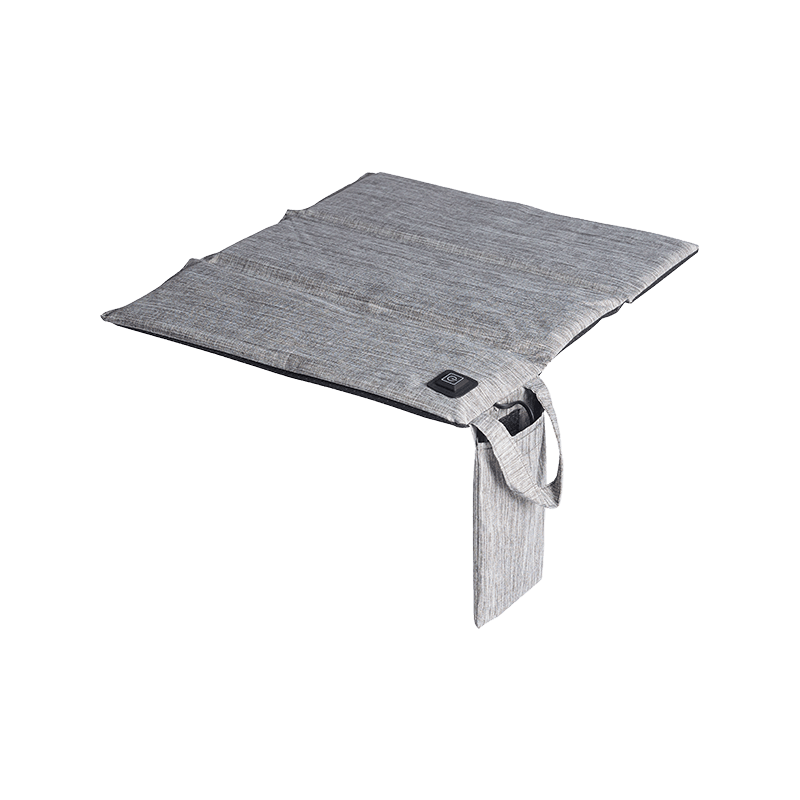
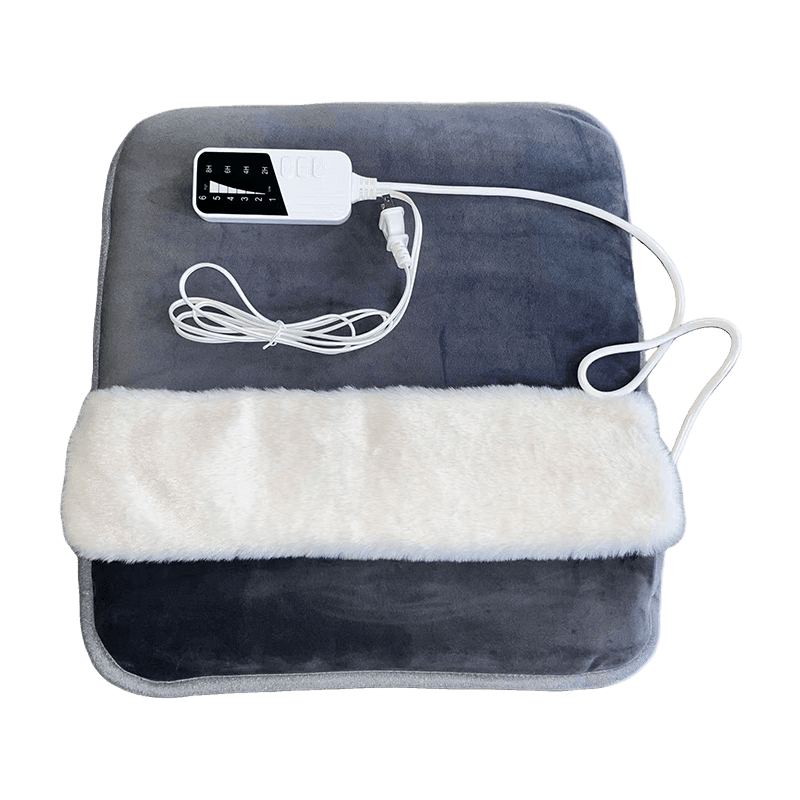
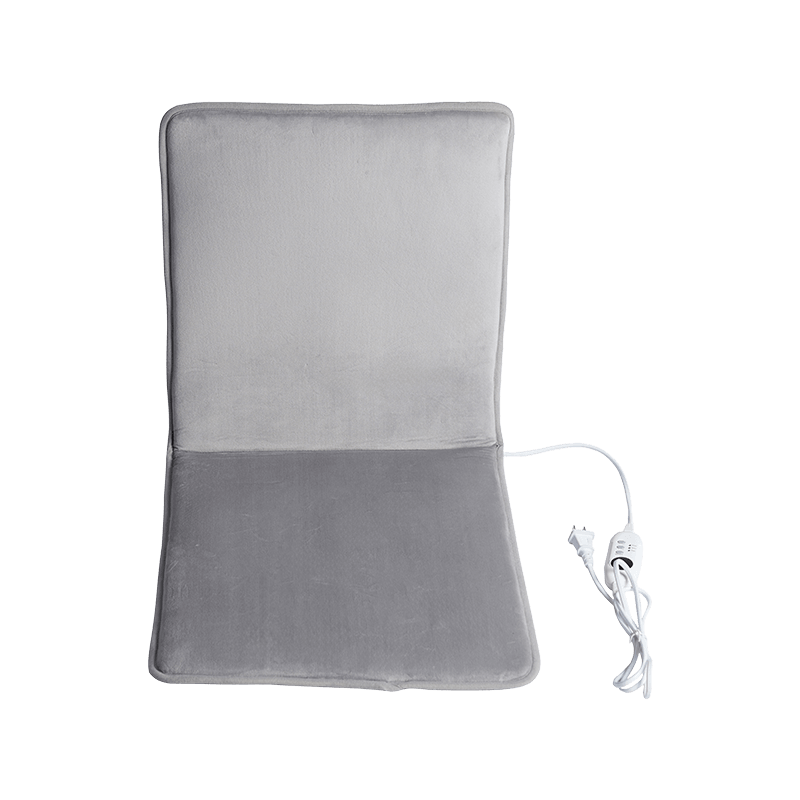
The product is identified by model number MT-PH-003 and is categorized as a 5D Under Desk Heater. It is made from non-woven material, has a listed power rating of 212 watts, and measures approximately 60 by 37 by 32 centimeters. The product is supplied in one color box per piece and carries a one-year warranty. Its stated certifications and safety features include 3C certification, patent protection, overheat protection, overvoltage protection, and a 45-degree tilt auto-shut-off function.
This article examines the product’s design, operating advantages, safety system, user applications, manufacturing background, production capabilities, and suitability for wholesale buyers. It also compares the underlying product approach with common alternatives, explains key purchasing considerations, and answers frequently asked questions.
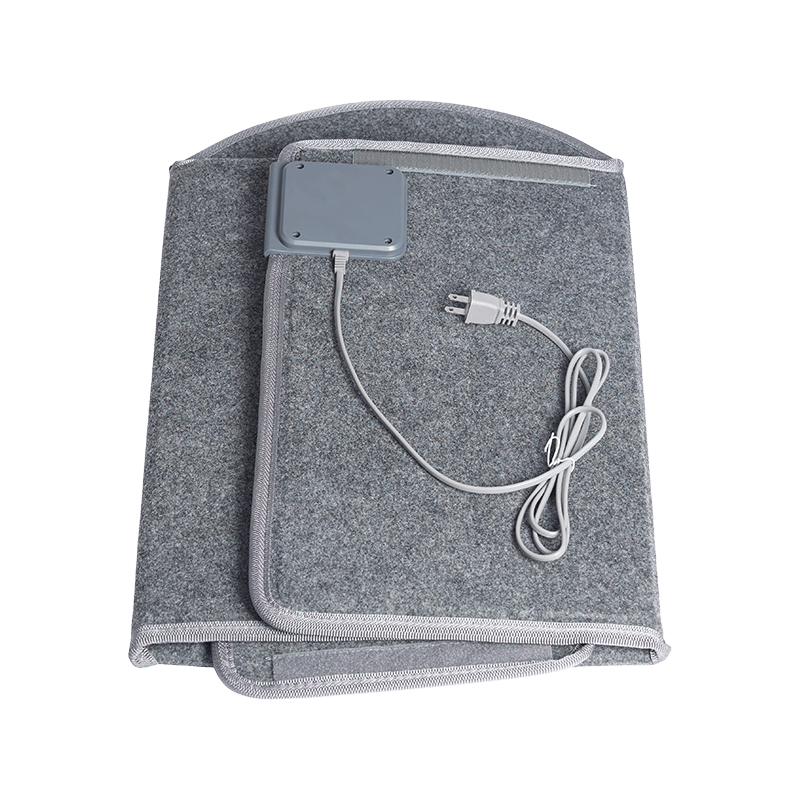
Intelligent temperature control 5D heated enclosure
The term “5D” refers to the product’s five-sided all-around heating concept. Instead of directing warmth from a single exposed heating surface, the enclosure is designed to create a more comprehensive heating area around the user. This arrangement can help reduce the uneven experience that occurs when one part of the body is close to a heater while another part remains exposed to cooler air.
In an under-desk environment, cold air may enter from the sides, front, or beneath a desk. A conventional fan heater may warm the immediate air stream but may not maintain an equally comfortable environment around the user’s legs and feet. A five-sided heated enclosure addresses this challenge through a more contained structure. The enclosure helps hold warmth within a defined personal area, while its flexible construction allows it to be folded and stored when it is not needed.
The design is especially relevant for people who work or study at a desk for extended periods. Office workers, remote employees, students, readers, and users of home workstations may prefer a localized heating product because it can provide comfort at the individual level rather than requiring a higher room-wide thermostat setting. This approach may be useful in shared spaces where different people have different temperature preferences.
A personal enclosure also offers a different heating experience from an open radiant heater. An open heater exposes the heating element or warm airflow directly to the surrounding room. By contrast, an enclosed product is intended to create a personal micro-environment. The result is more focused heating, reduced exposure to room drafts, and greater flexibility for use beneath or around a desk.
The central product advantage is its five-sided heating layout. Full-range warmth coverage is designed to provide more balanced comfort than a single-direction heating panel. The enclosure can surround the user’s lower body area, which is particularly valuable in situations where feet and legs become cold during sedentary activities.
Directional heaters generally require users to position themselves carefully in front of the heating source. If the user moves, the heating effect may become weaker or uneven. A five-sided structure is less dependent on a single position because the warmth is distributed around the intended personal zone. This design can also help reduce the need to repeatedly adjust the heater during use.
The product is designed to provide rapid heating within approximately 15 seconds. Fast warm-up is important for users who need immediate comfort after entering a cold room, beginning a work session, or returning to a desk after a break.
Quick heating does not eliminate the need for proper temperature selection. Users should begin with a suitable setting and adjust according to personal comfort, clothing, room temperature, and duration of use. The rapid-heating feature is best understood as a convenience function that reduces waiting time, rather than as a substitute for safe operating practices.
The Intelligent Temperature Control system is designed to maintain a more consistent level of warmth throughout the heating zone. Instead of relying only on continuous heating at a fixed output, an intelligent control system can regulate heating behavior according to the selected setting and the conditions within the product’s operating area.
Stable temperature control has several practical benefits. It can reduce uncomfortable fluctuations between excessive heat and insufficient warmth. It can also make the product easier to use because the user does not have to repeatedly switch the unit on and off. For long desk sessions, a steady comfort level is often preferable to a heater that alternates between strong bursts and cool intervals.
The product provides three temperature selections: 40°C, 50°C, and 60°C. These settings allow users to choose a lower, medium, or higher heating level according to their environment and personal preference.
The 40°C setting may be suitable for mild cold conditions or longer periods of use when gentle warmth is preferred. The 50°C setting offers a stronger level of warmth for cooler surroundings. The 60°C setting is intended for users who need a more intense heating effect, although it should be selected carefully and used in accordance with the product instructions.
Temperature settings refer to the product’s heating control levels and should not be interpreted as a guarantee that every part of the enclosure will remain at exactly the stated temperature under all circumstances. Actual performance may vary according to ambient temperature, ventilation, clothing, user position, and operating conditions.
The built-in timer provides 2-hour, 4-hour, and 6-hour operating modes. Timers are particularly useful for desk work, reading, evening relaxation, or other activities where the user may not want to monitor the product continuously.
A timer can also support more disciplined energy use by stopping operation after the selected period. Users can select a duration that corresponds to their expected activity, helping prevent unnecessary continuous operation. The timer should be viewed as one part of the overall safety and convenience system rather than as permission to leave the product unattended in unsuitable conditions.
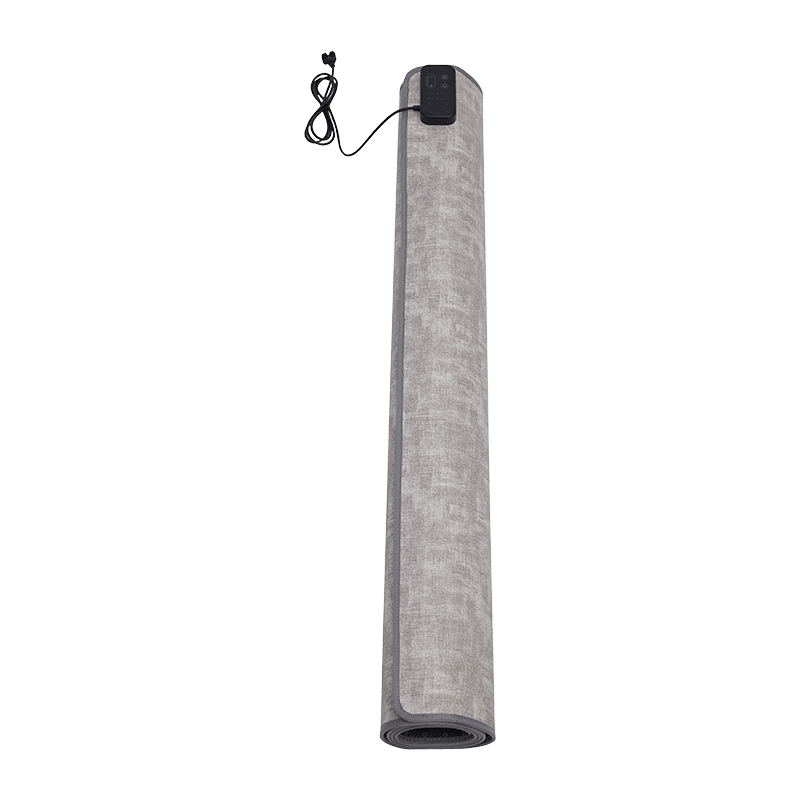
The hook-and-loop design supports quick folding and storage. The product is described as being capable of folding and storing in approximately three seconds, which is valuable for users with limited storage space. A flexible enclosure can be placed beside a desk, in a closet, under furniture, or in a travel storage area when not in use.
Portability is another advantage. A rigid personal heater may be difficult to move between rooms or transport between home and office. A foldable structure provides more flexibility, especially for users who need localized warmth in several locations. The product’s compact form also makes it practical for seasonal storage.
When folding or storing the enclosure, users should allow it to cool completely first. The product should be kept dry, clean, and free from sharp objects that could damage the non-woven material or electrical components.
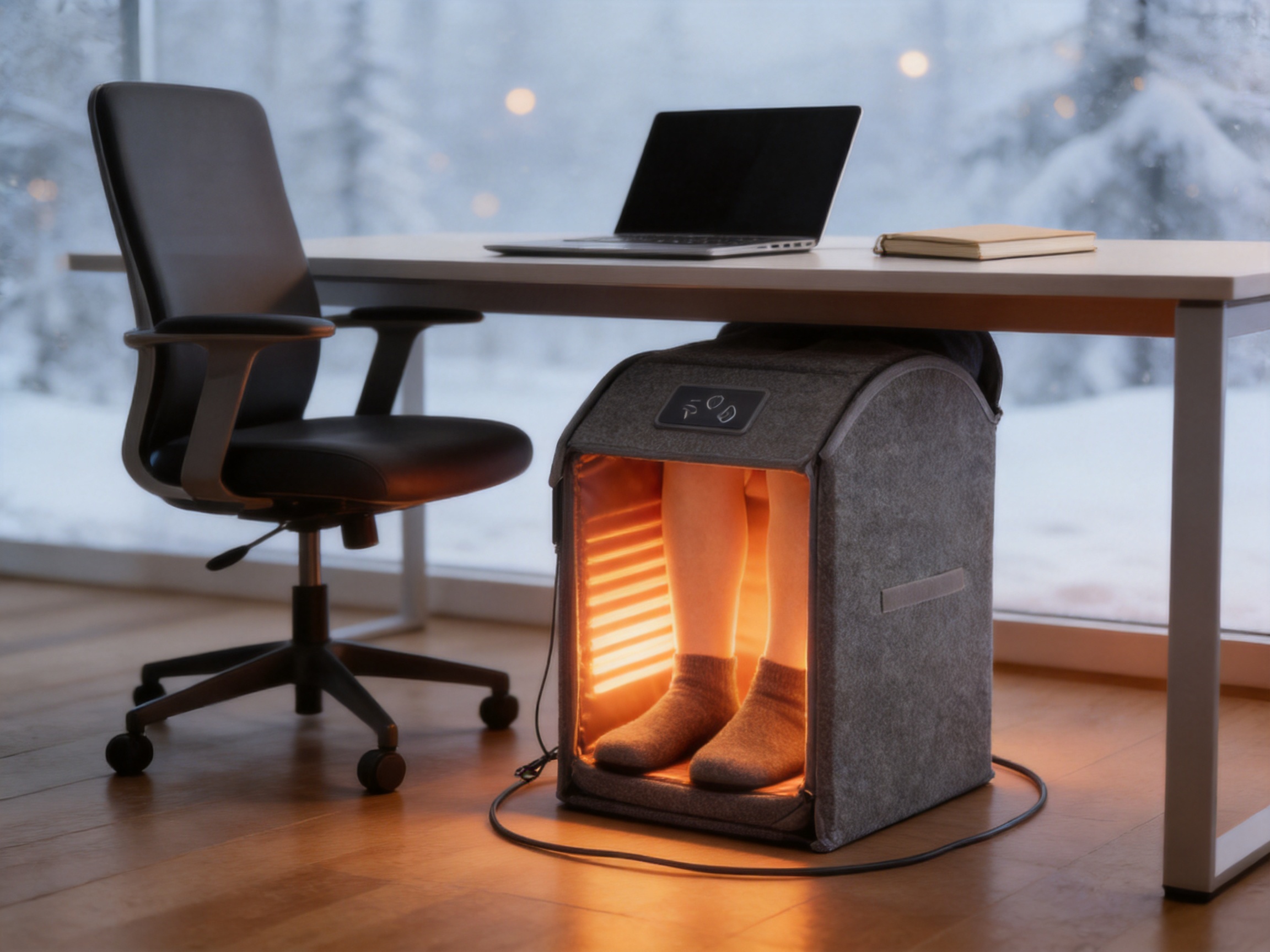
Safety is a central consideration in any heating appliance. The Intelligent Temperature Control 5D Heated Enclosure includes a stated six-layer protection approach, supported by several specific safety functions. These functions are intended to reduce risks associated with overheating, unstable placement, electrical irregularities, and accidental contact with the product.
The 45-degree tilt auto-shut-off feature is designed to stop heating if the enclosure is tipped beyond a specified angle. This is an important anti-tip function for household environments where a product may be moved accidentally, knocked by a pet, or disturbed by a child.
An automatic shut-off mechanism can reduce the time that a displaced product remains active. It is especially relevant for a flexible enclosure because the product may be repositioned, folded, or contacted during normal use. Although the feature adds protection, users should still place the enclosure on a stable, level surface and avoid deliberately operating it in an unstable position.
Overheat protection is intended to limit excessive temperature conditions within the heating system. A properly designed thermal protection function can interrupt or regulate operation if internal temperatures rise beyond a safe operating range.
Overheat protection should not be treated as a replacement for correct use. The enclosure should not be covered with unrelated materials, tightly compressed, exposed to water, or operated near flammable substances. Airflow and the product’s intended shape should be maintained during operation.
Overvoltage protection provides an additional electrical safeguard. Unstable or excessive voltage can place stress on electronic components, heating elements, and control circuitry. A protection circuit can help limit the effect of abnormal electrical conditions.
The listed product voltage is 100V. Buyers, distributors, and end users should confirm the voltage specification required for their target market before placing an order or connecting the appliance. Regional electrical standards vary, and the correct plug, voltage, frequency, and certification requirements should be verified for each destination.
Intelligent temperature control contributes to safety by helping manage the heating level. A stable control system can reduce the need for constant manual intervention and may help prevent unnecessary overheating caused by prolonged operation at a maximum setting.
Temperature control, timer control, and automatic shut-off work together as a layered approach. No single function is sufficient on its own, but the combination can provide a more complete protection system than a simple heater with only an on-and-off switch.
The product is listed as 3C certified and patent protected. Certification indicates that the product has been associated with a recognized compliance framework, while patent protection relates to legally protected technical or design features. Buyers should request current certification documentation, test reports, and applicable compliance records when conducting formal procurement or importing the product into a specific market.
For wholesale customers, documentation is particularly important. Certification requirements can differ according to country, voltage, plug type, product category, and sales channel. A responsible purchasing process should include confirmation of the correct documents before mass production and shipment.
The following table summarizes the principal specifications provided for the MT-PH-003 heated enclosure.
| Specification | Stated Information |
|---|---|
| Model number | MT-PH-003 |
| Product category | 5D Under Desk Heater |
| Material | Non-woven material |
| Listed voltage | 100V |
| Listed power | 212W |
| Product size | Approximately 60 × 37 × 32 cm |
| Temperature settings | 40°C, 50°C, and 60°C |
| Timer settings | 2 hours, 4 hours, and 6 hours |
| Safety functions | 45-degree tilt auto shut-off, overheat protection, and overvoltage protection |
| Packaging | One piece per color box |
| Warranty | One year |
| Minimum order quantity | 1,500 pieces per color |
| Certification information | 3C certified and patent protected, subject to document verification |
Specifications should be confirmed with the supplier before final purchase, particularly when the product will be sold in regions with different electrical standards. Buyers should also confirm packaging dimensions, net weight, gross weight, plug configuration, frequency, carton quantity, labeling requirements, and product testing documents.
Fan heaters generally warm the surrounding air by blowing it across a heating element. They can be effective for rapidly changing the temperature of a room or a larger open area, but they may not provide the same enclosed personal comfort as an under-desk heating enclosure.
The 5D heated enclosure focuses warmth around the user’s lower body rather than attempting to heat an entire room. This localized strategy may be more suitable for individual workstations, especially when the rest of the room is already comfortable or when other occupants do not want additional heat.
Another difference is airflow. Some users prefer to avoid the noise, air movement, or dry sensation associated with fan-based heaters. An enclosed heating product can offer a quieter and less draft-oriented experience, although actual sound performance should be verified through product testing.
A single-sided panel typically heats the area directly facing its surface. Users may need to remain in a fixed position to receive consistent warmth. If the panel is placed to one side, the opposite side of the body may remain cold.
The five-sided structure provides a more comprehensive heating zone. It is intended to reduce directional limitations and create warmth around the lower body. This can be particularly beneficial beneath a desk, where the user’s legs and feet may be exposed to drafts from several directions.
Electric blankets and heating pads are designed for direct contact or placement over a body area. They can provide close warmth, but they may be less suitable for users who need freedom of movement while working at a desk. They also do not necessarily create a surrounding personal enclosure.
The heated enclosure is positioned as an environmental heating product rather than a wearable or body-contact heating accessory. It can warm the space around the legs and feet while allowing the user to move naturally within the workstation. This distinction may make it more practical for office and study applications.
Central heating and room-wide heaters can provide broad comfort but may consume more energy when only one person needs warmth. A localized 212-watt product may offer a more targeted approach for individual use, although actual energy savings depend on operating time, electricity rates, room conditions, and the alternative heating method.
Localized heating can also be useful in transitional seasons. Users may need warmth at the desk even when heating the entire room would be unnecessary. The 2-hour, 4-hour, and 6-hour timer settings support scheduled personal heating without requiring full-room temperature changes.
Remote workers often remain seated for several hours at a time. Feet and legs can become uncomfortable in rooms with hard flooring, drafts, or uneven heating. The 5D heated enclosure can be positioned around the lower workstation area to create localized warmth during computer work, phone calls, writing, or online meetings.
Because the product can be folded, it may be stored after the workday or moved between a home office and another room. Users can select a lower setting for extended sessions and use the timer to align with their working schedule.
Students may use the product in bedrooms, libraries, dormitory-style rooms, or study areas where room temperature is difficult to control. A personal enclosure can provide targeted comfort without affecting the whole room or disturbing other occupants.
The automatic shut-off function is particularly relevant in study environments, where users may become distracted or fall asleep. Even so, the product should be used responsibly and should not be operated while sleeping unless the manufacturer’s instructions specifically allow that use.
In a shared office, different employees may prefer different temperatures. A personal under-desk heater can help address individual comfort without requiring changes to the building’s heating system. The enclosed design may also limit the impact on nearby coworkers compared with a heater that blows warm air across a wider area.
Before use in a commercial office, organizations should confirm workplace safety policies, electrical load requirements, fire safety rules, and approved appliance lists. The product’s certification documents can support this review.
The product may also be used while reading, watching television, doing handicrafts, or carrying out other seated activities. Its three temperature levels make it possible to select a moderate setting for relaxation or a higher level when the surrounding environment is particularly cold.
Heating products are often used seasonally, which makes storage convenience important. The hook-and-loop folding structure helps reduce the space required when the product is not in use. A compact storage format can be attractive to apartment residents, small offices, retailers, and distributors managing seasonal inventory.
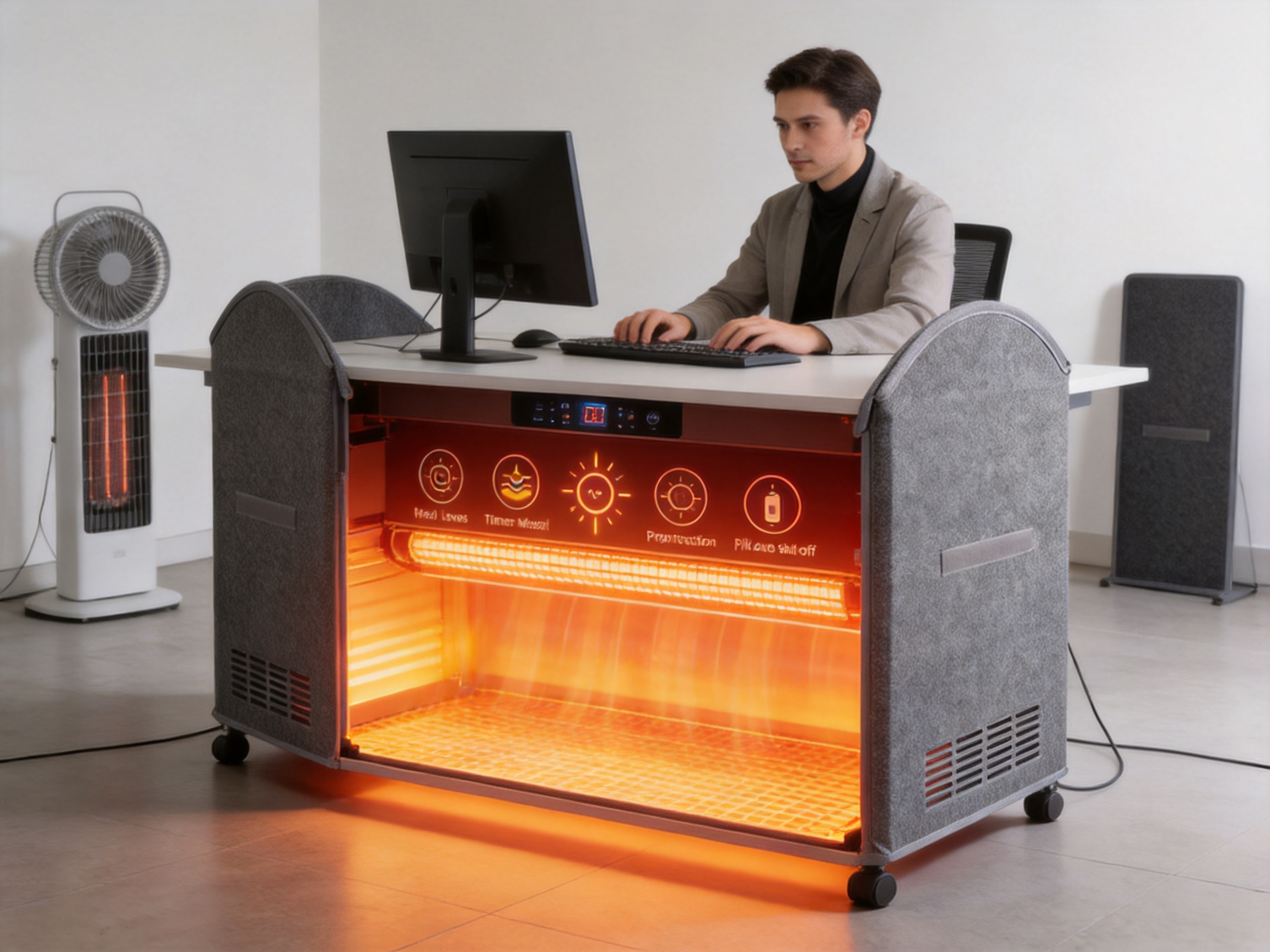
The product is manufactured by Ningbo Meeting Industrial & Trading Co., Ltd., an integrated manufacturer established in 2023. The company specializes in home appliance product development and production, with a focus on heating appliances, cooling appliances, furniture-related household electrical products, and practical home-use solutions.
The company operates approximately 5,000 square meters of production facilities. Its stated manufacturing scope includes injection molding, sewing, assembly, and complete appliance manufacturing. This combination is significant for a product such as the heated enclosure, which may require coordination among textile or non-woven material processing, structural components, electrical assemblies, control systems, safety parts, and final packaging.
An integrated production model can improve coordination between different manufacturing stages. When injection molding, sewing, assembly, and appliance production are managed within one broader organization, design changes may be communicated more efficiently between departments. This can help reduce delays caused by excessive dependence on unrelated external suppliers.
For buyers, integrated manufacturing may offer advantages in quality consistency, production scheduling, customization communication, and issue resolution. It can also support more effective control over the relationship between the product’s physical enclosure and its electrical system.
Injection molding is commonly used to produce repeatable plastic components such as control housings, brackets, handles, protective covers, cable-management parts, and structural fittings. In a heating appliance, molded parts need to fit accurately and withstand normal handling during assembly and use.
Internal molding capability can support faster adjustments to tooling, color, dimensions, and component design. It may also help the manufacturer maintain greater control over part consistency. For wholesale buyers seeking private-label or market-specific versions, the ability to coordinate molded components internally can make development more efficient.
The non-woven enclosure requires careful handling of flexible materials. Sewing capability is relevant to the product’s folding structure, edge finishing, attachment points, and hook-and-loop fastening system. Consistent stitching and accurate positioning are important because the enclosure must fold, unfold, and maintain its intended shape during repeated use.
Quality control for flexible components may include checking seam strength, edge alignment, fastening performance, material cleanliness, folding behavior, and the absence of damage near electrical areas. These details can influence both user experience and product durability.
Complete appliance manufacturing requires more than assembling individual parts. Electrical appliances must be evaluated as integrated systems. The heating element, wiring, control panel, temperature sensor, timer, protective devices, power connection, and enclosure must function together as intended.
A manufacturer with complete appliance assembly experience can organize production around functional testing rather than relying only on visual inspection. This may include power-on testing, temperature control verification, timer testing, tilt shut-off testing, electrical safety checks, packaging inspection, and final product audits.
The company reports having professional teams in research and development, design, production management, and project support. This structure is valuable for buyers who need more than a standard catalog product. Product development often involves translating a market concept into a manufacturable design, balancing appearance, safety, materials, cost, packaging, and compliance.
Effective project support can help clarify specifications at the beginning of an order. Important topics include target market, voltage, plug style, timer behavior, temperature settings, control layout, packaging language, color, labeling, certification, and shipping requirements. Clear communication at this stage can reduce misunderstandings later in production.
The company has participated in professional exhibitions such as the Tokyo Gift Show. Exhibition participation can provide manufacturers with direct exposure to international product trends, buyer expectations, packaging styles, consumer preferences, and emerging category requirements.
For an international buyer, market awareness is useful because heating products may be sold through different channels, including household goods stores, online marketplaces, office-supply distributors, seasonal retailers, gift channels, and specialty appliance stores. A manufacturer that understands varied markets may be better positioned to support product presentation and commercial adaptation.
Quality management for a heated enclosure should cover materials, structure, electronics, operation, packaging, and after-sales support. A product may have attractive features, but commercial success depends on repeatable performance across large production batches.
Materials should be checked before entering production. For the non-woven enclosure, inspection may include material thickness, color consistency, surface condition, odor, dimensional stability, and resistance to ordinary handling. Hook-and-loop components should be checked for attachment strength and alignment.
Electrical parts should be inspected for correct specifications, visible damage, terminal quality, insulation condition, and compatibility with the intended voltage. Consistent incoming inspection helps reduce the risk of defects entering later assembly stages.
During production, inspection points may include sewing quality, component installation, wire routing, control-panel assembly, sensor placement, and enclosure fit. In-process checks are useful because problems can be corrected before the complete product is finished.
For a foldable product, inspectors should confirm that folding does not place excessive stress on wiring or control parts. The enclosure should retain its intended shape when opened, while the hook-and-loop system should secure the product without obstructing safe operation.
Functional testing should verify each major operating mode. The three temperature settings should respond correctly, the timer modes should operate as intended, and the heating zone should warm within the expected period. The tilt auto-shut-off function should also be tested under controlled conditions.
Testing may be performed on every unit, by sampling, or through a combination of routine production checks and final quality audits. The appropriate inspection plan depends on the buyer’s requirements, product risk assessment, certification conditions, and order agreement.
Because the product is supplied in a color box, packaging quality has both protective and commercial importance. The box should protect the folded enclosure and electrical components from compression, moisture, and impact during handling and transportation.
Packaging inspection may include printing accuracy, product identification, model number, electrical information, warning labels, barcode placement, accessory inclusion, and carton strength. International buyers should confirm whether multilingual instructions and destination-market markings are required.
The stated minimum order quantity is 1,500 pieces per color. This quantity positions the product for distributors, retailers, importers, seasonal heating brands, office-supply suppliers, and home-appliance companies planning a substantial market launch.
A high-volume order can support more consistent packaging, coordinated color planning, and possible product customization, subject to supplier confirmation. Buyers should discuss whether the available colors are standard or customizable and whether private-label packaging, user manuals, labels, control markings, and carton artwork can be provided.
Before placing a wholesale order, buyers should prepare a detailed specification sheet. This document should cover product name, model number, voltage, frequency, plug type, power rating, temperature settings, timer settings, material requirements, color, packaging, labeling, warranty, inspection standard, delivery schedule, and required compliance documents.
It is also advisable to request a production sample or approval sample before mass production. The sample can be used to confirm size, folding behavior, heating performance, control operation, packaging, appearance, and user instructions. Written approval of the sample can provide a clear reference for later production inspection.
The product can be positioned as a personal comfort appliance for cold desks, home offices, study rooms, and compact living environments. Its strongest retail messages are localized warmth, five-sided heating, fast warm-up, intelligent temperature control, multiple timers, foldable storage, and layered safety protection.
Retail presentation should avoid exaggerated claims. For example, it is more appropriate to describe the enclosure as a product designed for localized warmth than to claim that it can replace all room heating. Product communication should also explain that the appliance is intended for indoor personal use and should be operated according to the supplied instructions.
Many basic personal heaters compete primarily on price and wattage. The Intelligent Temperature Control 5D Heated Enclosure offers a broader feature story. Its differentiation comes from the combination of five-sided coverage, three temperature selections, three timer settings, rapid heating, foldability, and multiple safety functions.
This combination can help retailers explain why the product is different from a simple heating pad, fan heater, or single-panel heater. The product’s value is not limited to its heating output; it also includes the way warmth is directed, controlled, stored, and protected.
Users should place the enclosure on a stable, dry, and level surface. The product should be opened according to the instructions, with the hook-and-loop sections correctly secured and the heating area unobstructed. The power connection should be positioned so that it is not pinched, stretched, or exposed to excessive foot traffic.
After confirming that the product is correctly positioned, the user can select one of the available temperature settings. For initial use, a lower or medium setting may be more comfortable while the user becomes familiar with the heating effect. The desired timer mode should then be selected according to the expected duration of use.
The enclosure should not be used with water, in damp conditions, near wet floors, or in areas where liquid may spill onto the controls or electrical connection. It should not be covered with blankets, clothing, paper, plastic, or other materials not supplied or approved for use with the product.
Users should inspect the enclosure periodically for damaged wiring, loose parts, unusual odor, discoloration, abnormal noise, or other signs of malfunction. If any problem is observed, the product should be switched off, unplugged, and inspected by an appropriate service provider or supplier.
Cleaning should be carried out only according to the manufacturer’s instructions. Electrical heating products should never be immersed in water. Before storage, the product should be switched off, unplugged, allowed to cool fully, and folded without excessive force.
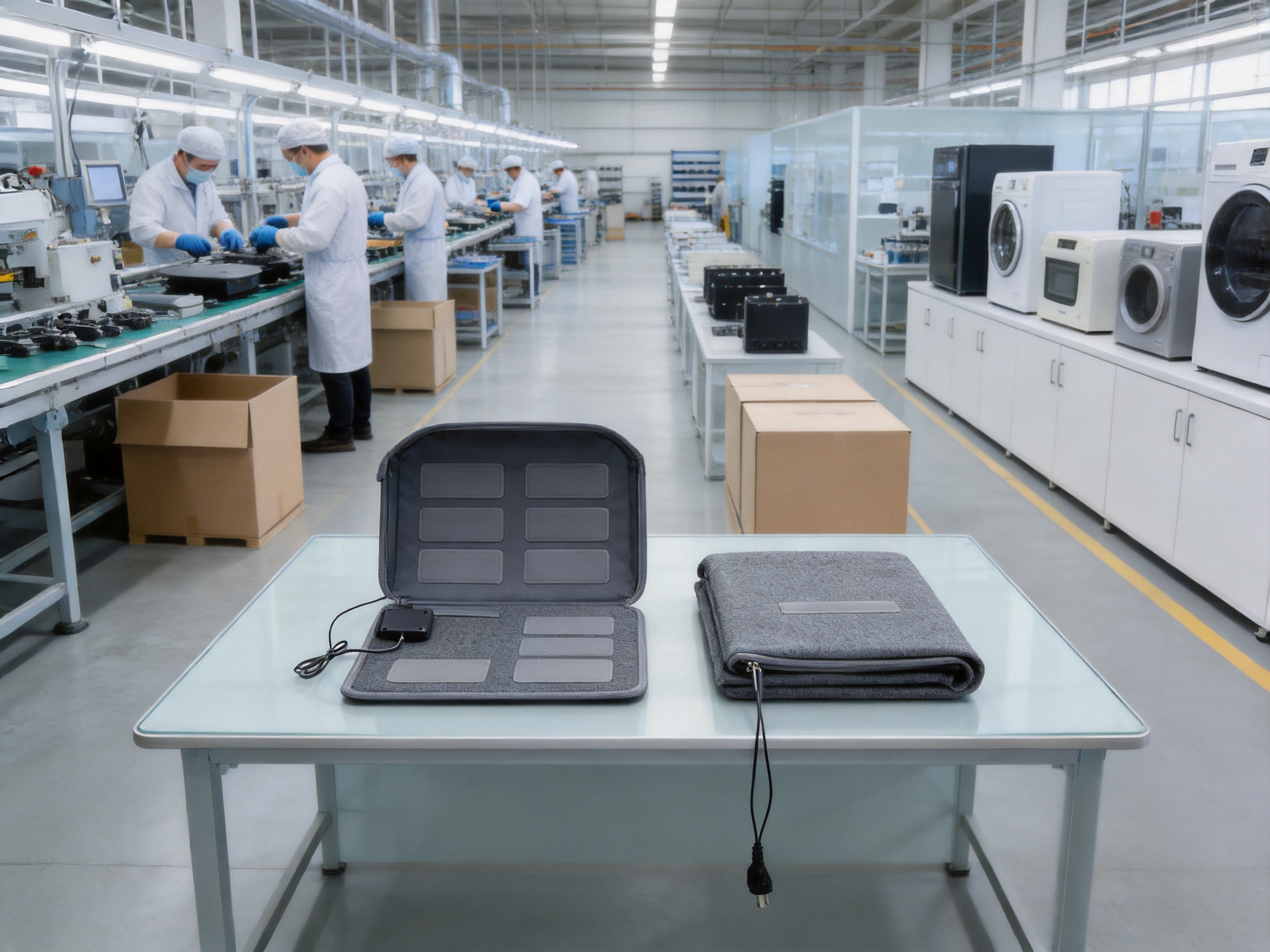
Localized heating can be an efficient comfort strategy when only one person needs additional warmth. The listed power rating of 212 watts is lower than that of many room-scale heaters, but energy consumption still depends on how long the product operates. A user who operates the heater for two hours will generally consume less electricity than a user who operates it for six hours, assuming comparable conditions.
The timer system supports more deliberate energy management. Users can select a duration that matches their activity rather than leaving the appliance running indefinitely. Temperature selection also influences practical energy use, since higher heating levels may require more active heating than lower levels.
Energy performance varies according to room temperature, enclosure position, clothing, desk design, floor material, ventilation, and user preference. Buyers should therefore avoid presenting a fixed energy-saving result unless it has been established through controlled testing. The most accurate commercial message is that the product provides targeted personal heating and offers timer-based operation.
Product durability also has an environmental dimension. A well-made appliance that remains functional over multiple seasons can reduce the need for frequent replacement. Stable assembly, repair support, clear instructions, and a one-year warranty can contribute to a more reliable ownership experience.
For buyers, manufacturing strength is not merely a background detail. It directly affects product development, consistency, delivery coordination, and the ability to respond to quality issues. A supplier with capabilities covering molded components, flexible materials, appliance assembly, and project management can coordinate more aspects of the product under one organizational structure.
This integrated capability may be especially important for a product combining textile-like enclosure materials with electronic heating technology. The product must be comfortable enough for household use, structurally stable when unfolded, easy to fold when stored, and safe when connected to an electrical supply.
Manufacturing integration can also support faster communication when buyers request changes. A modification to the control housing may affect the enclosure, wiring, packaging, and testing process. Coordinating these changes across specialized internal teams can be more efficient than managing several independent vendors with limited communication.
The company’s stated focus on practicality, safety, comfort, and market adaptability aligns with the main requirements of personal heating appliances. Its production facilities and professional teams provide a foundation for serving customers who need standard products as well as customers developing a tailored commercial program.
Before purchasing the Intelligent Temperature Control 5D Heated Enclosure in commercial quantities, buyers should evaluate the following areas:
Electrical compatibility: Confirm that the listed 100V specification, frequency, plug, and power requirements match the target market.
Certification: Request current certification documents and verify whether additional approvals are needed in the destination country.
Safety testing: Confirm testing procedures for overheat protection, overvoltage protection, tilt auto shut-off, insulation, and electrical leakage.
Heating performance: Verify warm-up time, temperature settings, temperature uniformity, and performance under realistic use conditions.
Construction quality: Examine non-woven material, seams, hook-and-loop fastening, folding behavior, and resistance to ordinary handling.
Packaging: Confirm color-box artwork, product protection, carton specifications, barcode requirements, instructions, warnings, and shipping marks.
Order requirements: Confirm the minimum order quantity of 1,500 pieces per color, production lead time, payment terms, sample policy, and delivery schedule.
Warranty and service: Clarify the one-year warranty scope, replacement policy, technical support, spare parts, and procedure for handling defective units.
Customization: Discuss colors, labels, logos, packaging, manuals, plug types, control markings, and market-specific requirements.
Inspection: Establish whether the buyer will perform pre-shipment inspection and define the acceptable quality limit or inspection standard.
It is a personal under-desk heating appliance designed to provide five-sided, all-around warmth around the user’s lower body area. The MT-PH-003 model combines rapid heating, three temperature settings, three timer modes, foldable storage, and multiple safety functions.
5D heating refers to the product’s five-sided all-around heating concept. The design is intended to provide more comprehensive warmth coverage than a heater that warms from only one exposed direction.
The product is described as providing rapid heating in approximately 15 seconds. Actual warm-up performance may vary according to ambient temperature, operating conditions, and user position.
The product provides three temperature settings: 40°C, 50°C, and 60°C. Users should select the level appropriate for their comfort and follow the operating instructions.
The available timer modes are 2 hours, 4 hours, and 6 hours. These settings help users schedule personal heating and reduce unnecessary continuous operation.
Yes. The product uses a hook-and-loop design intended to support folding and storage in approximately three seconds. It should be allowed to cool completely before folding.
The stated safety functions include 45-degree tilt auto shut-off, overheat protection, and overvoltage protection. The product is also listed as 3C certified and patent protected, although buyers should request and verify the relevant documentation.
The product is designed for localized personal heating rather than whole-room heating. It may provide a more targeted comfort solution for one user, but it should not automatically be considered a replacement for a building’s primary heating system.
The listed power rating is 212 watts. Actual energy use depends on the selected temperature, operating duration, control behavior, and surrounding conditions.
The listed voltage is 100V. Buyers must confirm voltage, frequency, and plug compatibility for the intended market before ordering.
The product is listed as being made from non-woven material. Buyers who need specific material properties should request detailed material specifications and test documentation.
The listed size is approximately 60 by 37 by 32 centimeters. Final dimensional tolerance and packaging dimensions should be confirmed with the supplier.
The stated minimum order quantity is 1,500 pieces per color. Buyers should confirm whether this quantity applies to standard products, customized colors, or private-label orders.
The stated warranty period is one year. Buyers should clarify the exact warranty terms, exclusions, service process, and replacement arrangements before finalizing a purchase.
Customization should be discussed directly with the manufacturer. Possible topics may include color, packaging, labeling, user manuals, plug configuration, control markings, and private-label presentation, subject to order quantity and technical feasibility.
The product is manufactured by Ningbo Meeting Industrial & Trading Co., Ltd., an integrated home appliance manufacturer established in 2023. The company reports approximately 5,000 square meters of production facilities and capabilities covering injection molding, sewing, assembly, and complete appliance manufacturing.
The Intelligent Temperature Control 5D Heated Enclosure is designed as a focused personal heating solution for desks, study spaces, home offices, and other indoor environments. Its main distinction is the combination of five-sided all-around warmth and intelligent control. Instead of relying on a single directional heating surface, it aims to create a more enclosed comfort zone around the user’s lower body.
The product includes three temperature selections of 40°C, 50°C, and 60°C, three timer modes of 2, 4, and 6 hours, rapid heating in approximately 15 seconds, and a foldable hook-and-loop structure. Its safety design includes 45-degree tilt auto shut-off, overheat protection, and overvoltage protection. These features give the product a broader value proposition than a basic heater with only one heat level and manual operation.
For wholesale customers, the product is supported by an integrated manufacturing background that includes injection molding, sewing, assembly, and complete appliance production. The manufacturer’s reported 5,000-square-meter facility, R&D and design teams, project support resources, and exhibition experience provide a foundation for product development and international cooperation.
As with any electrical heating appliance, successful commercialization depends on careful verification. Buyers should confirm voltage, certifications, safety documentation, material details, packaging, customization options, inspection standards, and warranty conditions. With these points properly reviewed, the MT-PH-003 heated enclosure can serve as a practical and differentiated addition to personal comfort, home appliance, office supply, and seasonal heating product portfolios.
1. Product specification sheet for Intelligent Temperature Control 5D Heated Enclosure, Model MT-PH-003.
2. Manufacturer-provided product feature information covering five-sided heating, temperature control, timer modes, rapid heating, folding design, and safety functions.
3. Manufacturer-provided company profile for Ningbo Meeting Industrial & Trading Co., Ltd., including production facilities, manufacturing capabilities, research and development resources, and market experience.
4. General household electrical appliance safety principles concerning overheat protection, overvoltage protection, automatic shut-off, electrical compatibility, and safe operating conditions.
5. General product quality management practices for heating appliances, including incoming material inspection, in-process inspection, functional testing, packaging inspection, and final quality control.
Falling asleep quickly and staying asleep through the night depend on more than just a dark, quiet room. Body temperature plays a central, often underappreciated role in the sleep...
READ MORECleaning has traditionally been one of the most time consuming and physically demanding tasks in both household and commercial settings. Whether it involves scrubbing floors, vacu...
READ MOREThe first time you wash a heated blanket, the process feels slightly risky. You are placing a product filled with wires into water, and a mistake can shorten its lifespan or damag...
READ MOREYou settle onto the couch on a cold winter evening, blanket spread across your lap, and hesitate before reaching for the plug. How much electricity will this actually use? Most he...
READ MOREThe heated eye mask is good for your eyes in most cases — particularly for people suffering from dry eye disease, meibomian gland dysfunction (MGD), eye fatigue, or poor sleep. Wh...
READ MOREAs households increasingly seek ways to stay comfortable while managing energy costs, the Energy-Efficient Smart Heated Throw Blanket has emerged as a practical solution that blen...
READ MORE