English
 日本語
 한국어
 Deutsch
Home > Author > Luo Yanjun — Senior After-Sales Service Manager > How a Convenient Folding 5D Heated Enclosure Improves Personal Comfort, Safety, and Everyday Efficiency
Content
Personal heating has become increasingly important in modern homes, offices, dormitories, and flexible work environments. Instead of warming an entire room, many users want a practical way to create a comfortable personal temperature zone around a desk, chair, or study area. A convenient folding 5D heated enclosure addresses this need by combining targeted heating, portability, adjustable temperature control, automatic safety protection, and a space-saving structure.
This type of product is designed for people who spend long periods working, studying, reading, gaming, relaxing, or completing household tasks in a fixed position. It can help provide warmth without requiring the user to raise the thermostat for an entire room. Its enclosed five-sided heating concept is intended to direct warmth around the user’s lower body and surrounding personal space, helping reduce unnecessary energy use and improving comfort in cool environments.
The product is categorized as a 5D under-desk heater, but its applications extend beyond a conventional desk heater. Its lightweight folding structure supports easy storage and transport, while its three temperature levels allow users to adapt the heat output to different conditions. Built-in protection features, including automatic power-off when the enclosure falls beyond approximately 45 degrees, overheat protection, overvoltage protection, and thermostatic control, further improve its suitability for daily household and office use.
Manufactured by Ningbo Meeting Industrial and Trading Co., Ltd., the heated enclosure reflects the company’s focus on practical home appliances, controlled production, safety, and adaptable product development. The following article examines the product’s construction, operating advantages, safety functions, manufacturing strengths, application scenarios, and purchasing considerations.

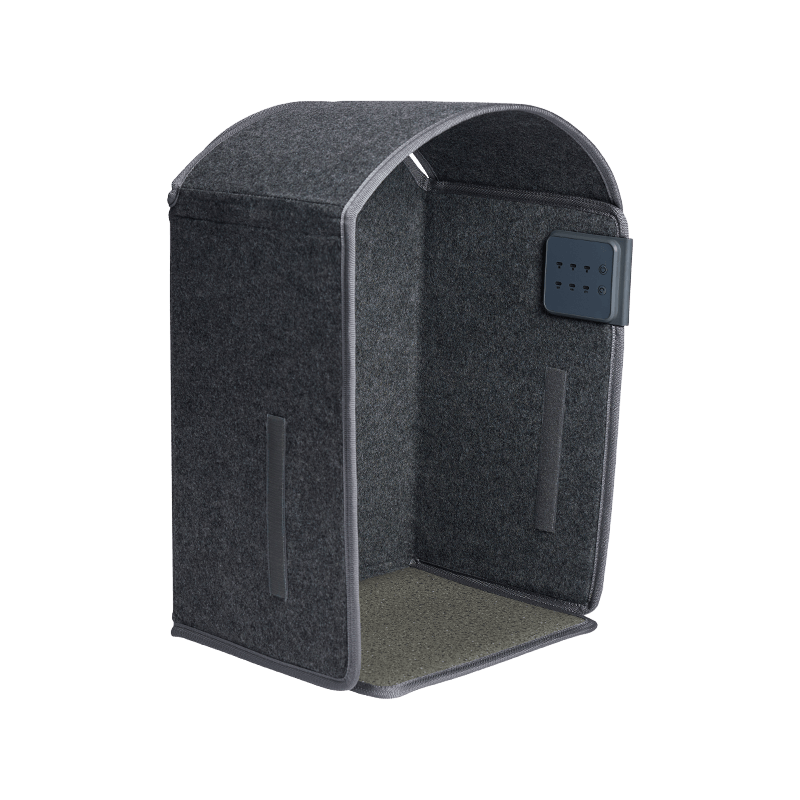
Convenient folding 5D heated enclosure
A conventional portable heater generally warms the air in front of the device or circulates heated air through a room. A heated enclosure takes a different approach. Rather than attempting to heat a large open area, it creates a more concentrated personal warming zone. The five-sided structure is designed to surround the user’s lower body and provide warmth from multiple directions.
The “5D” concept refers to omnidirectional or multi-zone heating coverage. Instead of limiting warmth to one surface, the product uses a coordinated heating structure intended to distribute heat across several sides of the enclosure. This design can reduce cold spots and provide a more balanced experience than a single-direction heating panel.
For people working at a desk, cold air often affects the feet, legs, and lower body first. A room may feel moderately warm at head level while the area beneath a desk remains uncomfortable. A personal enclosure can address this localized issue without requiring a higher room temperature. It is therefore especially useful in offices, bedrooms, study areas, dormitories, and other spaces where the user remains seated for extended periods.
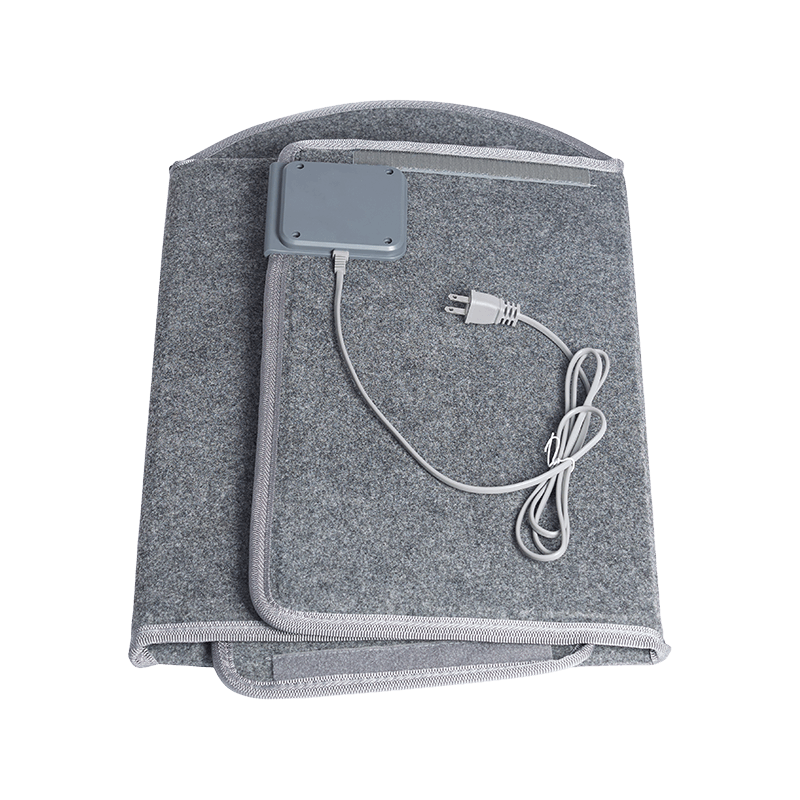
The enclosure is also designed to be folded. This feature is important because personal heating products are often used seasonally. A rigid device may occupy valuable storage space during warmer months, while a foldable design can be placed beside a cabinet, under a bed, in a closet, or in a storage box. The foldable structure also makes it easier to move between a home office, bedroom, classroom, dormitory, or temporary work area.
| Feature | Product Function | User Benefit |
|---|---|---|
| Five-sided heating structure | Provides multi-directional personal warmth | Helps reduce cold areas around the lower body |
| Foldable construction | Allows the enclosure to be collapsed for storage and transport | Saves space and improves portability |
| Three temperature levels | Offers settings of approximately 40°C, 50°C, and 60°C | Supports adjustment for different weather and comfort preferences |
| Metal heating film | Generates heat across the heating surfaces | Supports rapid and evenly distributed warming |
| Fast heating | Begins producing warmth in approximately 15 seconds | Reduces waiting time after activation |
| 45-degree automatic power-off | Disconnects power if the unit is accidentally tilted or falls | Improves protection against unsafe positioning |
| Timer function | Supports two-hour, four-hour, and six-hour timing options | Helps users manage operating duration |
| Overheat protection | Monitors heating conditions and limits excessive temperature | Supports safer long-term operation |
| Overvoltage protection | Helps protect the circuit against abnormal voltage conditions | Improves electrical safety and product reliability |
| Thermostatic control | Regulates heating operation according to temperature conditions | Promotes stable and comfortable warmth |
These features work together rather than functioning as isolated specifications. The folding structure improves convenience, the multi-sided heating layout improves coverage, and the control system helps users choose an appropriate operating level. At the same time, the safety functions are intended to reduce risks associated with tipping, overheating, extended operation, and electrical irregularities.
Whole-room heating can be inefficient when only one person needs warmth. In a shared office, family room, classroom, or dormitory, different people may have different temperature preferences. One person may feel cold while others are comfortable. Increasing the temperature for the entire room can create discomfort for some users and may consume more energy than necessary.
A personal heated enclosure provides an alternative by focusing warmth where it is needed. The user can create a localized comfort zone without substantially changing the temperature of the surrounding room. This approach is particularly practical for individuals who work at a desk, study at home, or sit for long periods in a cool environment.
Targeted heating may also be useful in buildings where heating is limited or uneven. Older offices, large rooms, temporary workplaces, and dormitories can have areas that remain cooler than others. A compact under-desk enclosure offers an additional source of warmth without requiring permanent installation.
Compared with open heating devices, a surrounding enclosure may help retain warmth closer to the user. The product is not intended to replace a building’s primary heating system, but it can complement general room heating by addressing personal comfort more directly.
Desk work often involves limited movement. When a person remains seated for several hours, the feet and legs may become cold even if the upper body is adequately dressed. A five-sided heated enclosure is designed for this exact type of situation. It can be positioned around the lower body beneath or near a desk, providing a closer heat source than a room radiator located across the room.
The product may be used during computer work, writing, online meetings, reading, craft activities, gaming, or administrative tasks. Because the design is compact and foldable, it can be integrated into a normal workstation without demanding permanent floor space.
Seasonal products should be easy to deploy when needed and easy to store afterward. The folding structure supports both requirements. Users can set up the enclosure during cold weather, fold it after use, and store it in a smaller area than a rigid cabinet-style heater would require.
Portability is also valuable in homes where several rooms are used throughout the day. A user may work in a study in the morning, move to a bedroom in the afternoon, and relax in a living room in the evening. A lightweight foldable product can follow the user instead of requiring multiple heating devices.
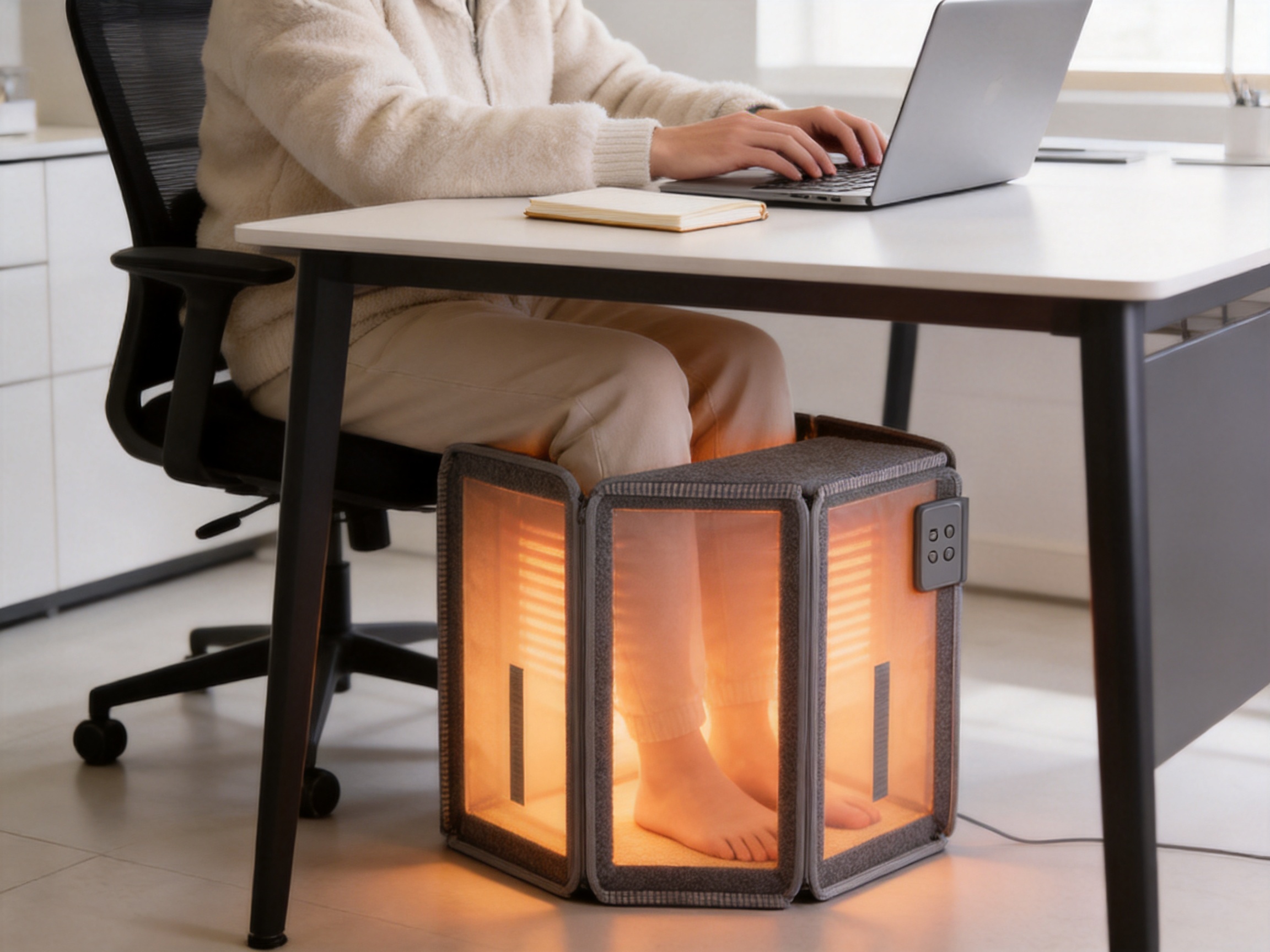
The heating layout is one of the product’s most important differentiating characteristics. A single heating surface generally delivers warmth from one direction. If the user changes position, turns slightly, or sits farther away, the heating effect may become less consistent. The five-sided design is intended to provide broader coverage around the user’s personal space.
The product uses a metal heating film as its heating element. Metal heating film technology can support a relatively thin and lightweight construction while allowing the heating surface to be integrated into multiple panels. This is compatible with the product’s folding design because the heating components can be arranged within a flexible or structured enclosure rather than requiring a bulky heating chamber.
A multi-zone arrangement can also help reduce the feeling of uneven warmth. When heat is provided from several sides, the user is less dependent on one specific direction. This is particularly useful when the enclosure is placed beneath a desk and the user’s legs are not held in one perfectly fixed position.
The product information describes a precise, all-zone constant-temperature system. In practical terms, this means the control system is intended to maintain stable heating conditions across the operating areas rather than allowing uncontrolled temperature increases. The thermostatic design supports a more predictable experience and may help prevent repeated uncomfortable changes between excessive warmth and insufficient heat.
The heated enclosure is designed to begin warming in approximately 15 seconds. Rapid warm-up is a practical advantage for users who want immediate comfort after sitting down. It is also valuable during short work sessions, because the user does not need to wait several minutes before feeling a noticeable effect.
Fast heating does not mean the product should be used without supervision or without following operating instructions. Users should select a suitable temperature, keep the unit on a stable surface, avoid covering ventilation or control areas, and inspect the product before use. Rapid heating is most beneficial when combined with stable temperature regulation and appropriate safety controls.
The product offers three temperature levels: approximately 40°C, 50°C, and 60°C. These settings allow users to adjust the heating experience according to room temperature, clothing, activity level, and personal preference.
The low setting is suitable for mildly cool environments or extended periods of use when the user wants gentle background warmth. It may also be appropriate during transitional seasons, when the room is not extremely cold but the lower body still feels uncomfortable.
A lower temperature setting can be useful for users who prefer gradual warming or who are already wearing warm clothing. It may also help reduce the need to repeatedly turn the device on and off during a long desk session.
The medium setting provides a stronger level of warmth for colder rooms and ordinary winter use. It may be selected when the user needs more noticeable heat but does not require the highest available setting.
For many users, a medium setting can serve as a practical everyday balance between comfort and operating intensity. As with all electrically heated products, the actual sensation depends on room temperature, clothing, enclosure position, and duration of use.
The high setting is intended for situations in which stronger warming is required. It may be useful in particularly cold rooms or during initial warm-up, after which the user may choose to reduce the setting.
Users should remember that the listed temperatures describe heating levels or surface-related operating values rather than a guarantee of a specific air temperature inside the enclosure. Personal comfort varies, and the highest level should be used carefully. Children, elderly users, and people with reduced sensitivity to heat should receive additional supervision.
Safety is essential for any product that generates heat. The convenient folding 5D heated enclosure incorporates several protective functions intended to support safer operation in homes, offices, dormitories, and other everyday environments.
The anti-tip system is designed to disconnect power when the enclosure is tilted or falls beyond approximately 45 degrees. This function addresses situations such as accidental collisions, movement during storage, contact from children or pets, or an unstable placement near a desk.
Automatic power-off is especially valuable for a foldable product because the structure may be moved, opened, or folded more frequently than a permanently installed heater. If the unit changes position unexpectedly, the protection system can help reduce the possibility of continued heating in an unsafe orientation.
This feature should be considered an additional protection layer, not a replacement for careful placement. The enclosure should be used on a stable, level surface and kept away from liquids, combustible materials, and obstructed areas. Users should also confirm that the unit is fully opened and correctly positioned before switching it on.
Overheat protection is intended to limit excessive temperature conditions within the heating system. A controlled heating environment is important because uncontrolled heat can damage components, reduce product service life, or create safety concerns.
The overheat protection system works together with thermostatic control. While thermostat regulation supports stable operating temperature, overheat protection provides an additional response if conditions move outside the intended range. Multiple layers of control are generally preferable to relying on a single protective mechanism.
Abnormal voltage can place stress on electrical components. The product includes overvoltage protection to help safeguard the internal circuit when electrical conditions are not normal. This function supports reliability and contributes to a more complete electrical protection strategy.
The thermostatic control system is designed to regulate heating according to temperature conditions. Rather than continuously operating at maximum output, the system can manage heating activity to support a more stable environment. This can improve comfort and reduce unnecessary fluctuations.
The anti-tip bracket design provides structural support and works with the automatic power-off function. A stable enclosure is easier to use and less likely to shift during ordinary activity. The bracket also contributes to the product’s suitability for placement in compact work areas where accidental contact may occur.
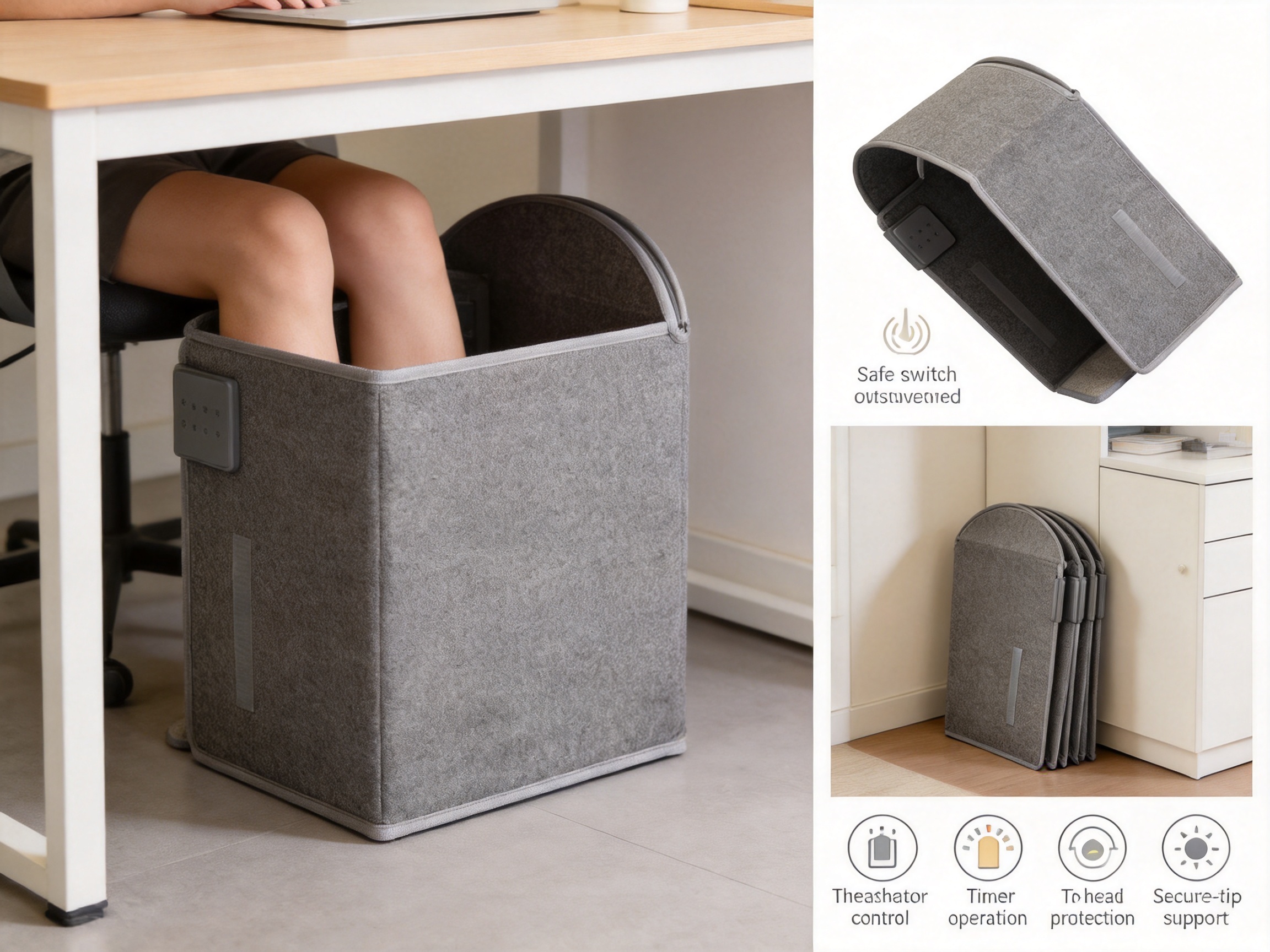
Many personal heaters provide useful warmth but are inconvenient to store. Bulky products can occupy floor space throughout the year, even when used only during winter. The folding design of this heated enclosure directly addresses that issue.
When folded, the enclosure can be transported more easily and placed in a narrower storage area. This is an important advantage for apartment residents, dormitory students, shared households, small offices, and users who frequently rearrange their workspaces.
Portability can also improve product utilization. A heater that is difficult to move may remain in one room even when the user works elsewhere. A lighter foldable product can be carried between rooms, making it more likely to be used when comfort is needed.
The folding feature also supports wholesale and distribution efficiency. Products that occupy less volume may be easier to package, store, display, and transport. For retailers and project buyers, compact product design can contribute to more efficient inventory management, although final logistics performance depends on packaging specifications and shipping arrangements.
Before folding the enclosure, users should switch it off, disconnect the power supply, and allow the heating surfaces to cool completely. The product should be stored in a clean, dry location away from sharp objects, excessive moisture, direct sunlight, and heavy items that could deform the structure.
Correct folding procedures are important. Users should avoid forcing panels into an incorrect position or bending the heating areas beyond their intended design. Proper storage helps preserve the enclosure’s shape, electrical connections, and heating performance.
Office temperatures are not always comfortable for every employee. A personal under-desk heater can provide localized warmth without changing the temperature for an entire department. Its foldable structure also makes it easier to store when the office becomes warmer or when desks are reorganized.
The product may be useful for reception areas, individual workstations, administrative offices, home-based businesses, and meeting preparation spaces. Since it is designed for personal use, it can support comfort without requiring permanent installation.
Remote workers often use rooms that were not originally designed as permanent offices. A dining table, bedroom desk, or temporary workstation may be located in an area with limited heating. The heated enclosure provides a flexible way to improve lower-body comfort during online meetings, writing, design work, customer service, and other home-based activities.
Its compact format is also appropriate for shared homes. The product can be folded and stored after the workday rather than remaining in the middle of a living area.
Dormitory rooms may have limited space and shared temperature controls. Students may need a personal warming solution that can be stored easily and moved when they change rooms or return home. The foldable 5D enclosure is suited to these conditions, provided that its use complies with the dormitory’s electrical and fire-safety rules.
The product can be used while reading, watching films, playing games, doing crafts, or engaging in other seated leisure activities. People often remain still during these activities, making localized warmth particularly valuable in cool environments.
At home, the enclosure may be used near a desk, sofa, hobby table, or study corner. Its portability allows family members to use it at different times. The three temperature settings also allow different users to select a preferred heating level.
The heated enclosure has several practical advantages when compared with common alternatives, although the best choice depends on the user’s room, activity, and heating requirements.
Whole-room heating is appropriate when everyone in a space needs the same temperature. However, it can be unnecessary when only one person is cold. A personal enclosure focuses heat around the user, potentially reducing the need to raise the temperature of the entire room.
A single-direction heater may leave areas of the body outside its main heating path. The five-sided structure is designed to provide broader coverage around the lower body. This can offer a more balanced experience for users who move their legs or change sitting positions.
Rigid products can provide enclosure-style warmth but may be difficult to store and transport. The folding design offers a clear advantage in portability and seasonal storage. It is better suited to users who need a temporary personal heating solution rather than a permanent fixture.
A heating pad generally warms one surface, such as the back, seat, or feet. The heated enclosure is designed to create a larger personal zone around the lower body. It may therefore be more suitable for users who want surrounding warmth instead of contact heating in one location.
Fan heaters often warm the air in a direction and may create airflow or operating noise. A heated enclosure based on metal heating film is intended to provide direct radiant or surface-based warmth without depending on a strong air stream. This can be preferable for users who dislike drafts or who want a quieter personal heating environment.
The product is manufactured by Ningbo Meeting Industrial and Trading Co., Ltd., a company established in 2023 as an integrated manufacturer specializing in home appliance development and production. The company operates approximately 5,000 square meters of production facilities and supports multiple manufacturing stages within its organization.
Its production capabilities include injection molding, sewing, assembly, and complete appliance manufacturing. This combination is particularly relevant to a foldable heated enclosure, which may require coordination between structural components, sewn or flexible materials, heating elements, electrical controls, and final assembly.
When a manufacturer controls several stages of production, it can improve communication between design, engineering, materials, and assembly teams. Integrated production may also support more consistent quality management because key processes can be coordinated under one operational system.
For a product that combines fabric or flexible sections with electrical heating components, coordination is important. The enclosure must fold correctly, remain stable when opened, accommodate the heating film, and maintain safe connections between components. Manufacturing experience across sewing, molding, and appliance assembly can support this type of multidisciplinary product development.
Injection molding can be used to produce structural plastic components, brackets, housings, control parts, and other formed elements. Consistent molding helps maintain dimensional accuracy and repeatability across production batches.
For the heated enclosure, molded parts may contribute to the anti-tip bracket design, control interfaces, cable protection, or support structures. The exact component configuration depends on the final engineering design, but injection molding capability gives the manufacturer greater flexibility when developing durable and practical appliance parts.
The folding structure may require sewn materials, protective layers, edge finishing, or flexible support sections. In-house or closely managed sewing capability can help the company control shape, fit, appearance, and assembly consistency.
Accurate sewing is important for a foldable product because uneven seams or inaccurate dimensions may affect the way the enclosure opens, closes, and stores. Material handling also influences the product’s appearance and daily usability.
Final assembly brings together the structural enclosure, heating film, electrical control system, protective components, wiring, power connection, and product labeling. Appliance assembly requires attention to connection security, insulation, component positioning, and functional testing.
A complete assembly capability allows the manufacturer to manage the finished product rather than supplying only individual parts. This supports better coordination of production schedules, inspection procedures, packaging, and delivery requirements.
Ningbo Meeting emphasizes product development, design, production management, and project support. These capabilities are valuable for buyers seeking more than a standard catalog item. Heating appliances often need adjustments based on market requirements, regional preferences, packaging needs, electrical standards, control interfaces, or branding programs.
A professional project team can help translate product concepts into practical specifications. This may include discussions about temperature settings, enclosure dimensions, folding methods, materials, control functions, timer options, safety protection, packaging, and production schedules.
Clear communication is especially important for products combining heating and flexible structures. A small design change can affect folding behavior, component placement, comfort, and safety. Coordinated support from engineering and production teams can help reduce misunderstandings during development.
The company’s stated focus on efficient collaboration and accurate implementation is relevant to wholesale and project-based customers. Buyers may benefit from a structured process covering initial requirements, sample confirmation, production preparation, quality checks, and delivery coordination.
For a heated household appliance, quality should be evaluated across the entire product rather than through one feature alone. Heating performance, electrical protection, structural stability, material durability, folding reliability, control accuracy, and packaging quality all contribute to the final user experience.
The product’s protection features provide a foundation for safer operation. The 45-degree automatic power-off function addresses tipping, while overheat and overvoltage protection address electrical and thermal risks. Thermostatic control supports more consistent operation, and the anti-tip bracket improves structural stability.
Manufacturing quality also depends on process control. Heating films must be correctly positioned, electrical connections must be secure, and protective layers must be assembled consistently. Folding components should be inspected for alignment and durability. Final products should be checked for appearance, function, control response, and basic safety performance according to the manufacturer’s quality procedures.
Users should follow all supplied instructions and applicable local electrical requirements. They should inspect the power cable, discontinue use if the product is damaged, avoid using it near water, and never place flammable materials against the heating surfaces. The product should not be modified by unauthorized persons.
The product can be timed for two, four, or six hours. A timer provides a convenient way to manage operating duration, especially during work sessions, study periods, or evening relaxation.
For users who become focused on a task, a timer can help prevent the device from operating longer than intended. It also supports a more organized routine by allowing the product to run for a selected period without requiring constant manual monitoring.
The timer should not be treated as a substitute for responsible use. Users should still ensure that the enclosure is correctly positioned, the surrounding area is clear, and the power cable is not under tension. Before leaving the home or office, users should confirm that the product is switched off or that the selected operating mode is appropriate for the situation.
For distributors, retailers, and importers, a personal heated enclosure should be evaluated according to both product performance and supplier capability. Important considerations include target market, operating voltage, safety requirements, packaging, minimum order quantity, production capacity, sample procedures, delivery planning, and after-sales support.
The product’s broad application range can support several market segments. It may appeal to home office users, students, office workers, elderly consumers seeking additional comfort, apartment residents, and customers who prefer compact seasonal appliances.
The foldable form is also attractive for retail presentation. A product that can be demonstrated in an open position and stored compactly may be easier to handle in showrooms or warehouses. Clear packaging should communicate the main benefits, including five-sided heating, three temperature levels, foldability, timer options, and automatic power-off protection.
Wholesale customers may also consider private-label or customized project opportunities. The manufacturer’s experience in product development and complete appliance production can support discussions about market-specific requirements. Any customization should be reviewed carefully to ensure that changes do not compromise heating performance, structural stability, or safety protection.
Before operating the heated enclosure, users should place it on a stable and suitable surface. The unit should be fully opened according to the instructions and positioned so that the heating areas are not pressed against combustible objects.
Users should select the lowest comfortable temperature first and increase the setting only when necessary. The high setting should be used carefully, especially by children, older adults, or individuals with reduced heat sensitivity.
The enclosure should be kept dry. Liquids, damp clothing, and wet floors can create electrical hazards. Users should also avoid placing heavy objects on the product or folding it while it is connected to power.
After use, the product should be switched off, unplugged where appropriate, allowed to cool, and stored in a dry location. Regular inspection of the cable, plug, enclosure, bracket, and heating surfaces can help identify damage before it becomes a larger problem.
A 5D heated enclosure is a personal heating product designed to provide warmth from multiple sides around the user’s lower body or personal space. It is intended to offer more surrounding coverage than a single-panel or single-direction heater.
The product offers three temperature levels: approximately 40°C, 50°C, and 60°C. Users can select a setting based on room conditions and personal comfort.
The product is designed to provide fast heating in approximately 15 seconds. Actual perceived warmth may vary depending on room temperature, clothing, positioning, and user sensitivity.
Yes. Its folding structure is designed to simplify storage and transport. It should be allowed to cool completely and disconnected from power before folding.
The built-in protection system is designed to automatically cut off power when the product is tilted or falls beyond approximately 45 degrees. The anti-tip bracket also supports stable positioning.
Yes. The product can be timed for two, four, or six hours, allowing users to manage operating duration more conveniently.
It is designed for scenarios including professional offices, home study, remote work, school dormitories, leisure, and entertainment. Users should always confirm that its use complies with the building’s electrical and safety policies.
No. It is a personal comfort appliance intended to provide localized warmth. It may complement room heating but should not be considered a replacement for a building’s primary heating system.
The product information identifies 45-degree automatic power-off protection, anti-tip support, overheat protection, overvoltage protection, thermostatic control, and temperature control across the heating system.
The product is manufactured by Ningbo Meeting Industrial and Trading Co., Ltd., an integrated home appliance manufacturer based in Ningbo, Zhejiang Province, China.
The company operates approximately 5,000 square meters of production facilities and supports injection molding, sewing, assembly, and complete appliance manufacturing. It also maintains teams for research and development, design, production management, and project support.
Potential buyers can discuss product development, design, production, packaging, and market requirements with the manufacturer. Customization details, technical feasibility, safety requirements, and production schedules should be confirmed before an order is placed.
The convenient folding 5D heated enclosure combines several features that are valuable in a modern personal heating appliance. Its five-sided structure is designed to provide broader warmth than a single-direction device, while the metal heating film supports a compact and relatively lightweight format. The three temperature levels allow flexible use, and fast heating helps users achieve comfort without a long waiting period.
The folding structure is one of its clearest practical advantages. It makes the product easier to transport, store, and use in multiple locations. This feature can be especially beneficial for small homes, dormitories, temporary workspaces, and offices where floor space is limited.
Safety functions further strengthen the product’s suitability for daily use. Automatic power-off at approximately 45 degrees, overheat protection, overvoltage protection, thermostatic control, and anti-tip support create a multi-layered approach to safer operation. These systems should always be combined with correct placement and responsible use.
From a manufacturing perspective, Ningbo Meeting Industrial and Trading Co., Ltd. offers integrated capabilities covering injection molding, sewing, assembly, and complete appliance production. Its focus on product development, practical design, safety, and project communication provides a foundation for serving both standard product buyers and customers with specific market requirements.
For users, the product offers a convenient way to improve personal comfort while working, studying, or relaxing in cool environments. For distributors and wholesale customers, it represents a compact, versatile household appliance with applications across home, office, education, and leisure markets.
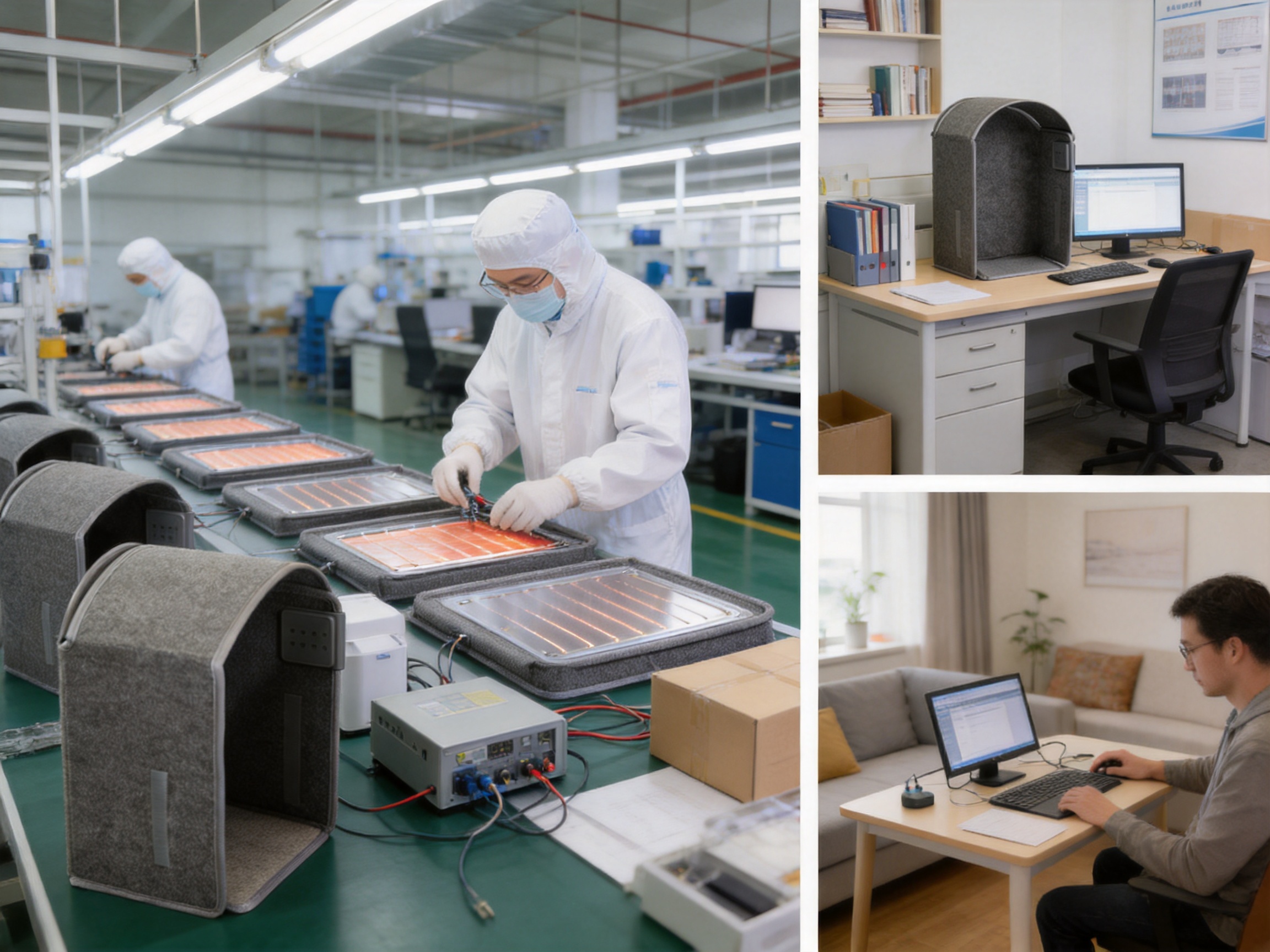
1. Product specification materials for the convenient folding 5D heated enclosure, including temperature settings, timer options, heating structure, and safety functions.
2. Manufacturer information concerning Ningbo Meeting Industrial and Trading Co., Ltd., its facilities, production capabilities, and home appliance development activities.
3. General principles of household electrical appliance safety, including thermal protection, overvoltage protection, stable placement, and responsible operation.
4. General product design considerations for portable heating appliances, foldable structures, metal heating films, thermostatic control, and localized personal comfort.
You settle onto the couch on a cold winter evening, blanket spread across your lap, and hesitate before reaching for the plug. How much electricity will this actually use? Most he...
READ MORELayering Is the First Rule of Using a Heated Blanket Last winter, a customer told me his new heated blanket felt cold around his feet. We checked the setup together, and the probl...
READ MOREThe way we use our eyes has changed. Between laptops, phones, and tablets, most adults now spend hours each day staring at close-up screens, and the delicate tissue around the eye...
READ MOREFew things feel as good at the end of a long day as a warm, gentle hug for your eyes. That is exactly what a steam eye mask delivers. Over the years, we have built heated eye mask...
READ MOREPutting an electric blanket on a bed is not complicated, but it is easy to get wrong in a way that affects safety and comfort. The correct method is simple: place it flat on the m...
READ MOREThe first time you wash a heated blanket, the process feels slightly risky. You are placing a product filled with wires into water, and a mistake can shorten its lifespan or damag...
READ MORE